
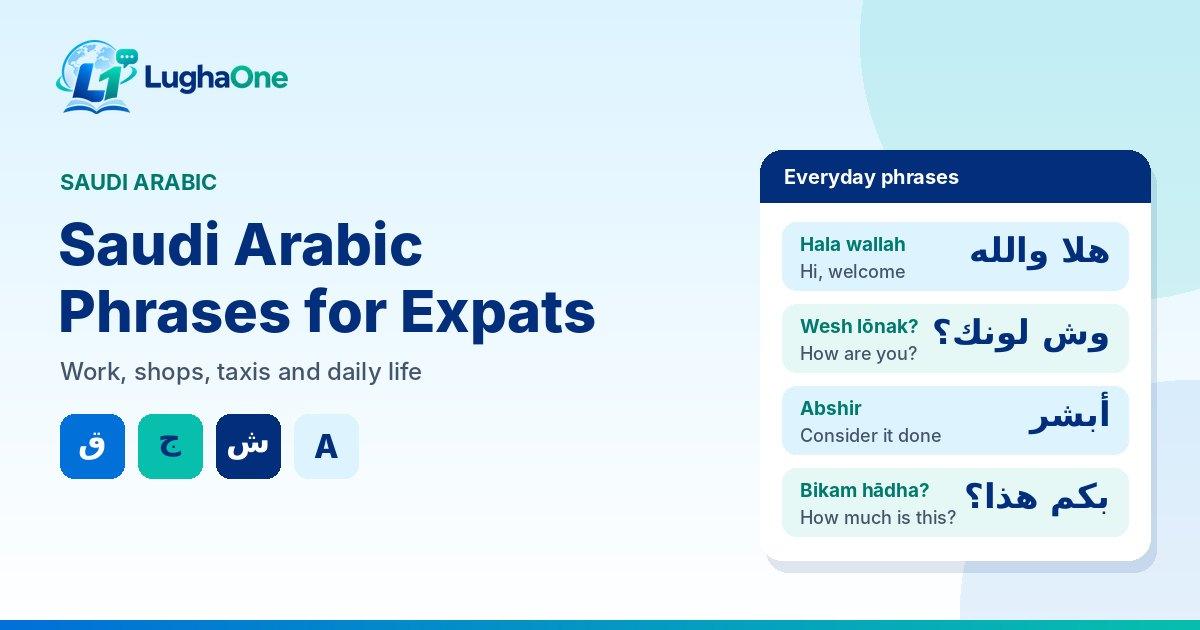
Why a few Saudi Arabic phrases go a long way
If you live or work in Saudi Arabia, you can get through most days in English. Offices, malls and many apps work in English, and colleagues from dozens of countries use it as a shared language. Yet a handful of Saudi Arabic phrases changes how people respond to you. A greeting in the local dialect, a polite reply to a colleague or a question to a taxi driver shows respect, and it is often met with a smile and a warmer conversation.
This guide covers the phrases expats hear most: greetings, office expressions, shopping, taxis and hospitality. Each example has the Arabic script, a simple transliteration and the meaning. Transliterations are approximate, so listen to how people around you say each phrase and copy them.
Najdi and Hijazi: two accents you will meet
Saudi Arabia has several regional dialects. The two most expats meet first are Najdi, spoken in Riyadh and central Saudi Arabia, and Hijazi, heard in Jeddah, Makkah and Madinah. Saudis from every region understand each other easily, and you do not need to choose one. It simply helps to recognise a few common differences:
- What? Najdi وش (wesh) · Hijazi إيش (ēsh)
- Now: Najdi الحين (al-ḥīn) · Hijazi دحين (daḥīn)
- Where? Najdi وين (wēn) · Hijazi فين (fēn)
- I want: أبي (abi) is typical of Najdi speech; أبغى (abgha) is typical of Hijazi speech and heard across the Kingdom.
- In Najdi speech the letter ق is often pronounced like a hard g, so قهوة (coffee) sounds like gahwa.
Saudi Arabic phrases for greetings and polite replies
Greetings in Saudi Arabia are warm and often come in pairs: a set phrase and a set reply. Learn both halves and you will sound natural from the first day.
- السلام عليكم (as-salāmu ʿalaykum): peace be upon you, the standard greeting. Reply: وعليكم السلام (wa ʿalaykum as-salām).
- هلا / هلا والله (hala / hala wallah): hi, a warm welcome. Very common in casual speech.
- حياك الله (ḥayyāk allāh): welcome, said to a guest or a newcomer. Reply: الله يحييك (allāh yḥayyīk).
- وش لونك؟ (wesh lōnak?): how are you? (to a man, Najdi). The widely understood كيف حالك؟ (kēf ḥālak?) also works.
- الحمد لله، بخير (al-ḥamdu lillāh, bikhēr): fine, thank God.
- صباح الخير (ṣabāḥ al-khēr): good morning. Reply: صباح النور (ṣabāḥ an-nūr).
- مع السلامة (maʿa as-salāma): goodbye. A common reply is الله يسلمك (allāh ysallmak).
Phrases for the office
Most Saudi workplaces run Sunday to Thursday. Even in an English-speaking team, these expressions come up every day.
Thanks and encouragement
Saudis often thank people with a blessing rather than a plain thank you. Using these is one of the quickest ways to sound friendly.
- يعطيك العافية (yaʿṭīk al-ʿāfya): literally may God give you strength. Said to someone who is working or has just finished a task. Reply: الله يعافيك (allāh yʿāfīk).
- ما قصرت (mā gaṣṣart): thank you, you did more than enough. A natural thank-you after someone helps you.
- مشكور (mashkūr): thanks. Reply: العفو (al-ʿafw), you are welcome.
Agreeing and making plans
These short words keep meetings and messages moving.
- أبشر (abshir): consider it done, with pleasure. To a woman: أبشري (abshiri). You will hear it from colleagues, shop staff and service desks.
- تمام / طيب (tamām / ṭayyib): okay, fine.
- لحظة (laḥẓa): one moment.
- إن شاء الله (in shā' allāh): God willing, used for anything in the future. If you need a firm time, ask politely: متى بالضبط؟ (mata bil-ḍabṭ?), when exactly?
Shopping and paying
Prices in malls and supermarkets are usually fixed, but these phrases help at small shops, markets and service counters.
- بكم هذا؟ (bikam hādha?): how much is this?
- أبي هذا / أبغى هذا (abi hādha / abgha hādha): I want this one.
- فيه خصم؟ (fīh khaṣm?): is there a discount?
- غالي (ghāli): expensive. مرة غالي (marra ghāli): very expensive.
- كاش ولا شبكة؟ (kāsh walla shabaka?): cash or card? Cashiers ask this a lot. شبكة (shabaka) here means paying by card on the payment terminal.
Taxis, directions and getting around
Ride-hailing apps handle most of the route, but you will still give directions for the last few metres, such as which gate or entrance to stop at.
- يمين (yamīn): right. يسار (yasār): left.
- سيدا (sīda): straight on.
- وين المدخل؟ (wēn al-madkhal?): where is the entrance?
- وقف هنا (waggif hina): stop here.
- قريب / بعيد (garīb / baʿīd): near / far.
Hospitality, coffee and compliments
If a colleague or neighbour invites you home, you will probably be offered Arabic coffee in small cups with dates. Your host will keep refilling your cup. When you have had enough, gently shake the cup from side to side before handing it back. It is a well-known Gulf custom and it is understood as a polite thank you, no more.
- تفضل (tafaḍḍal): please, go ahead, help yourself. To a woman: تفضلي (tafaḍḍali).
- ما شاء الله (mā shā' allāh): used to admire something, such as a child, a new home or good work.
- الله يحفظك (allāh yiḥfaẓak): may God protect you, a warm reply to a compliment or a kind wish.
Small Saudi dialect words you will hear all day
These short words appear in almost every conversation. Recognising them makes spoken Saudi Arabic much easier to follow.
- يلا (yalla): let's go, come on.
- إيه (ēh): yes. لا (la): no.
- زين (zēn): good, fine.
- مرة (marra): very, as in مرة زين (marra zēn), very good.
- مو (mū): not, as in مو مشكلة (mū mushkila), no problem.
- معليش (maʿlēsh): sorry, never mind.
- شوي (shway): a little. شوي شوي (shway shway): slowly, take it easy.
- خلاص (khalāṣ): done, that's enough.
How to start using these phrases this week
Do not try to learn every phrase at once. A short, steady plan works better:
- Days 1–2: greetings. Say هلا or السلام عليكم to the security guard, the barista and your colleagues.
- Days 3–4: office phrases. Reply to a request with أبشر and thank people with يعطيك العافية.
- Days 5–6: shopping and taxis. Ask بكم هذا؟ and guide one ride with يمين, يسار and وقف هنا.
- Day 7: review. Write the phrases you used on flashcards and say them aloud.
Learn Saudi Arabic with LughaOne
LughaOne has a dedicated Saudi Arabic learning track, alongside Modern Standard Arabic and Emirati, Palestinian, Levantine, Egyptian and Yemeni Arabic. Its reviewed A1 and A2 lessons teach the everyday language in this guide step by step, with listening at normal or slow speed so you can catch every word.
Saudi Arabic is one of the languages with pronunciation practice: record yourself and get AI scores for accuracy and fluency, then track your progress in your pronunciation history. Ask the AI tutor when a phrase is unclear, and keep new words fresh with saved words, flashcards, quizzes and review.
Start your 3-day free trial today, no card needed. Family plans cover up to six accounts, so everyone at home can learn together.
Keep exploring
Family Learning
Learning a Language as a Family: Ideas That Actually Work
Learning a new language together can be one of the best family projects you start this year, as long as you keep it short, playful and built into the routines you already have.
Career English
English for Customer Service Jobs: Phrases That Sound Professional
Good customer service English is not about long words. It is about a small set of polite, clear phrases you can use every day in shops, hotels, restaurants and help desks.
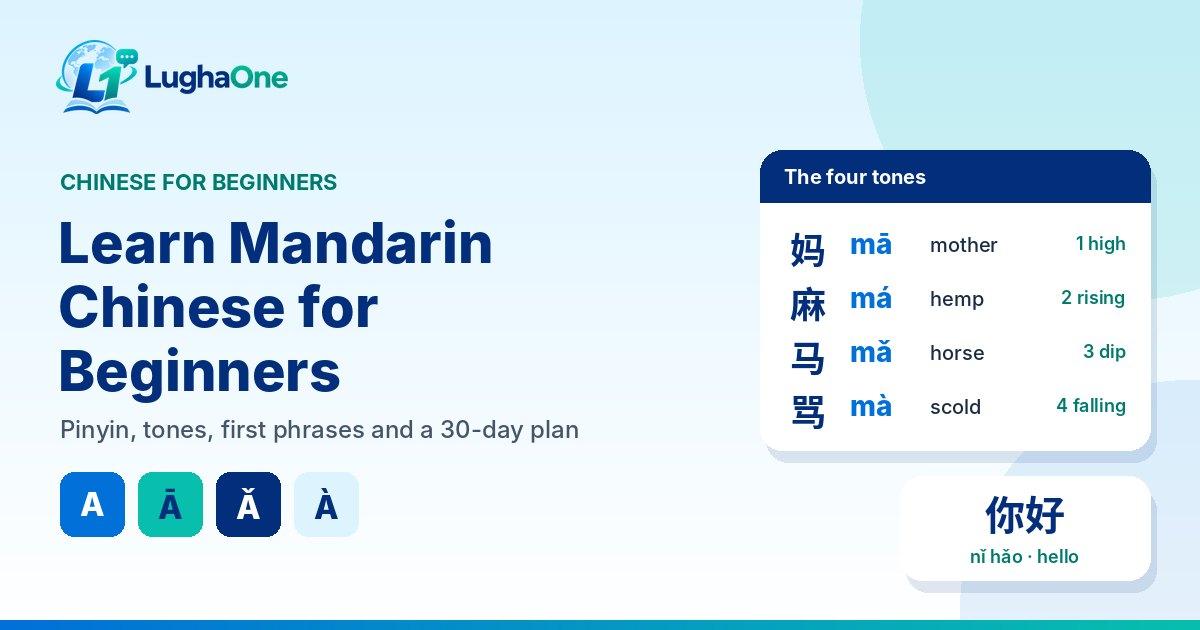
Chinese for beginners
Learning Mandarin Chinese: A Realistic Starting Plan for Beginners
Mandarin looks impossible from the outside, but the first month is very manageable if you start in the right order: pinyin and tones first, then survival phrases, simple sentence patterns and your first characters.
Business English
English Meeting Phrases: Agree, Disagree and Suggest Politely
Ready-to-use English for meetings in the office or on video calls: how to open, agree, disagree without sounding rude, suggest ideas, interrupt politely and close with clear next steps.
Learn languages
Learning French as an Arabic Speaker: What Is Easy and What Is Hard
Arabic speakers start French with more advantages than they think: the French r, grammatical gender and adjectives after the noun all feel familiar. Here is what comes easily, what takes practice, and how to start.
Business English
English Phone Call Phrases: Bookings, Support and Work Calls
Phone calls are harder than face-to-face English: no gestures, no lips to read, and the other person is waiting. These ready-to-use phrases for work calls, bookings and customer support help you sound calm, clear and polite.
Study Skills
Spaced Repetition: Remember New Vocabulary for Longer
You learn twenty new words on Monday and remember five by Friday. Spaced repetition fixes that: review each word just before you would forget it, at growing intervals. Here is how it works and how to use it with paper or an app.
Family Learning
Teaching Kids Arabic at Home: A Simple Weekly Routine
A practical plan for Arab families abroad and mixed families: short daily Arabic moments, a seven-day routine, how to handle dialect and Modern Standard Arabic, and how to keep going when your child answers in English.
Learning Tips
How AI Can Help You Practise Speaking a New Language
Speaking is the skill most learners practise least. Here is what AI speaking practice can and cannot do, a simple 20-minute routine, ready-to-use role-play prompts and tips for Arabic speakers learning English.
Business English
English Small Talk at Work: Natural Phrases for the Office
Short, natural English for the moments before meetings, in the lift and at the coffee machine: how to start, what to talk about, how to keep it going and how to leave politely.
Learn Arabic
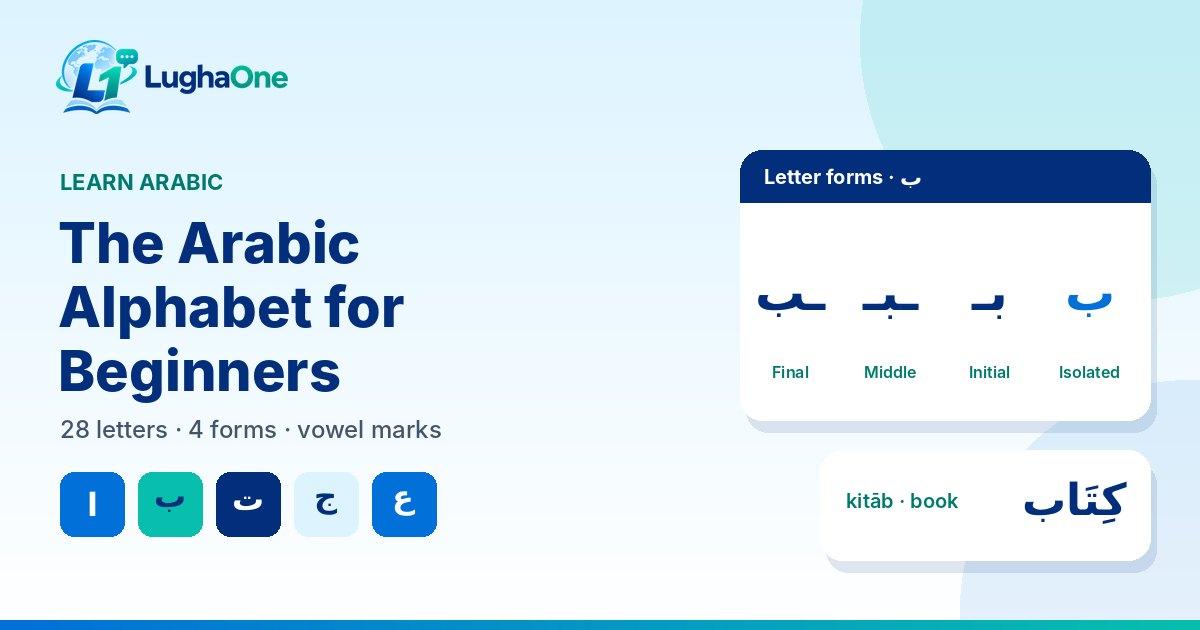
The Arabic Alphabet for Beginners: Letters, Shapes and Sounds
Learn to read Arabic step by step: how the script works, the 28 letters grouped by shape, how letters change at the start, middle and end of a word, vowel marks and a two-week practice plan.
Learning Tips
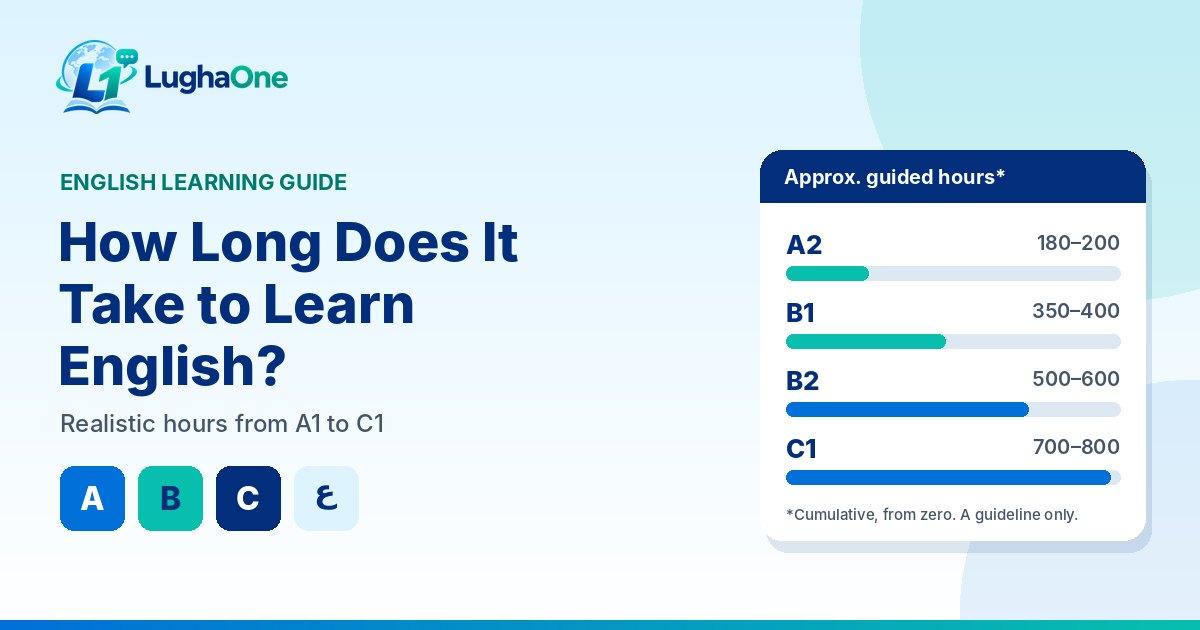
How Long Does It Take to Learn English? A Realistic Answer
A realistic answer in hours, not promises: approximate study time for each level from A1 to C2, the factors that change it, and simple weekly plans for busy learners.
Arabic Dialects
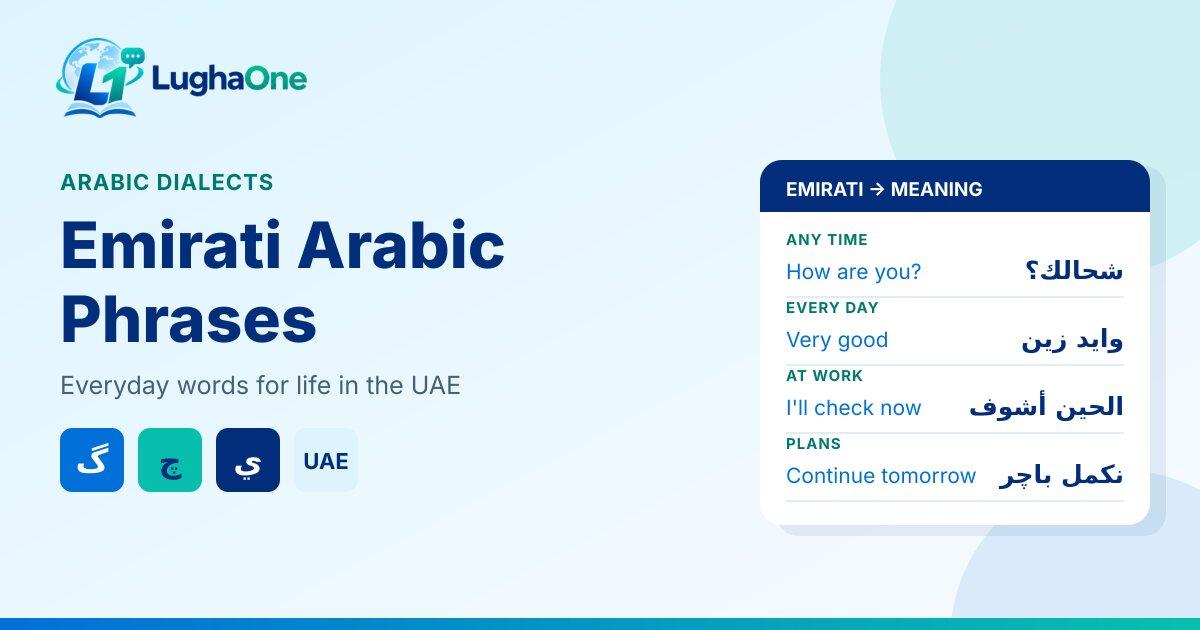
Emirati Arabic Phrases for Everyday Life in the UAE
The Emirati words and phrases you will actually hear in Dubai, Abu Dhabi and Sharjah: how the dialect sounds, everyday words, office and shop phrases, directions for taxis and Emirati hospitality.
Arabic for Beginners
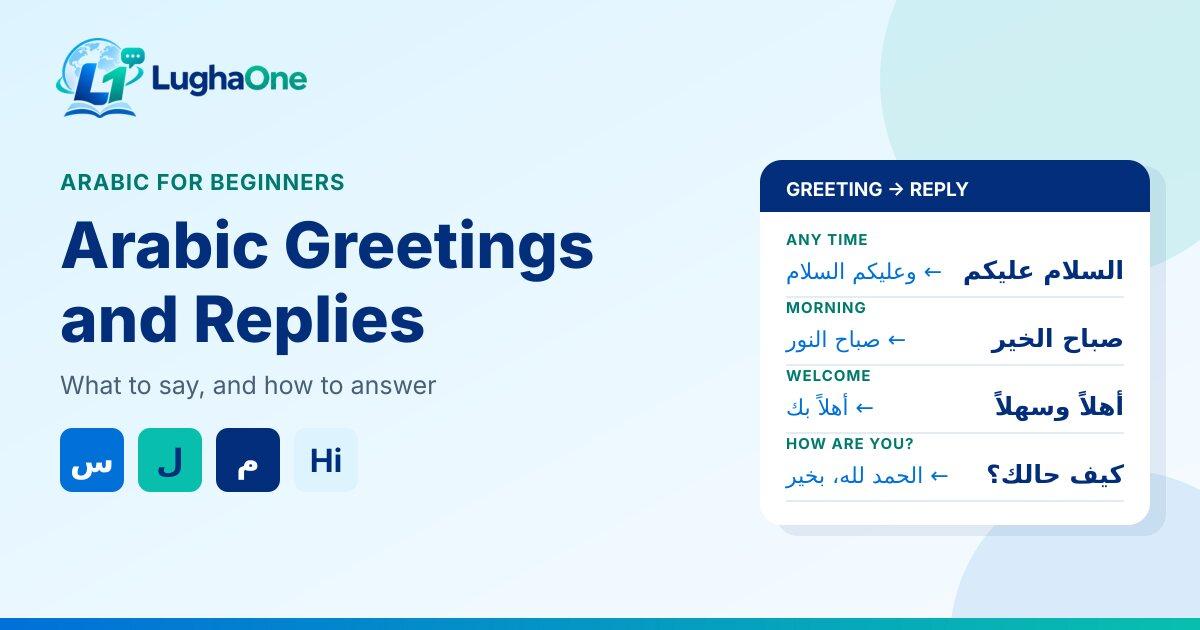
Arabic Greetings and Responses: What to Say and How to Reply
In Arabic, almost every greeting has a set reply. Learn the pairs for every time of day, how to ask how are you across the region, what to say on Ramadan and Eid, and the etiquette that goes with them.
Practical English
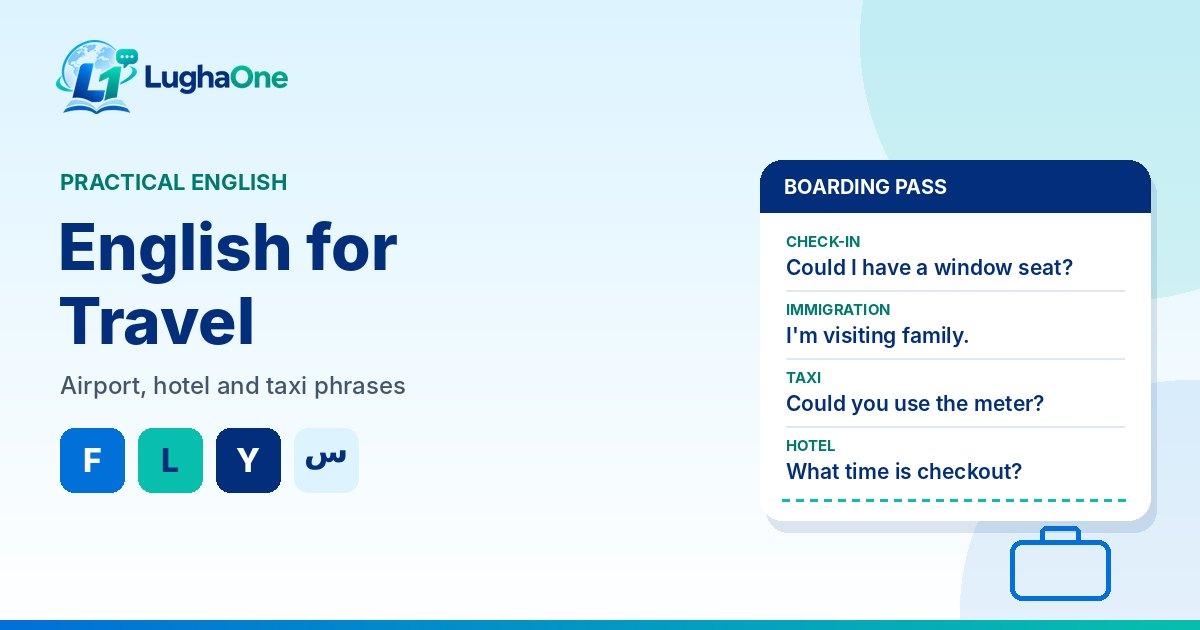
English for Travel: Airport, Hotel and Taxi Phrases You Will Actually Use
The English you need from the check-in desk to your hotel room: short, polite phrases for every step of the trip, the questions officers ask, and easy fixes for common mistakes.
English Grammar
12 English Grammar Mistakes Arabic Speakers Make (and How to Fix Them)
Twelve grammar mistakes that come from thinking in Arabic while speaking English, why each one happens, and a simple correction you can start using today.
Business English
Business English Email Phrases: How to Write Clear, Professional Emails at Work
Ready-to-use phrases for every part of a work email, from the greeting to the sign-off, with a sample email you can adapt and the small mistakes that make emails sound less professional.
Business English
English Job Interview Questions and Answers: A Guide for Arabic Speakers
How to answer 'Tell me about yourself', 'Why should we hire you?' and other common interview questions in clear, confident English, with sample answers you can adapt.
Pronunciation
English Pronunciation for Arabic Speakers: Fix P/B, V/F and More
Why 'parking' turns into 'barking' and 'very' into 'fery', and simple daily drills that make your English clearer in meetings, interviews and travel.
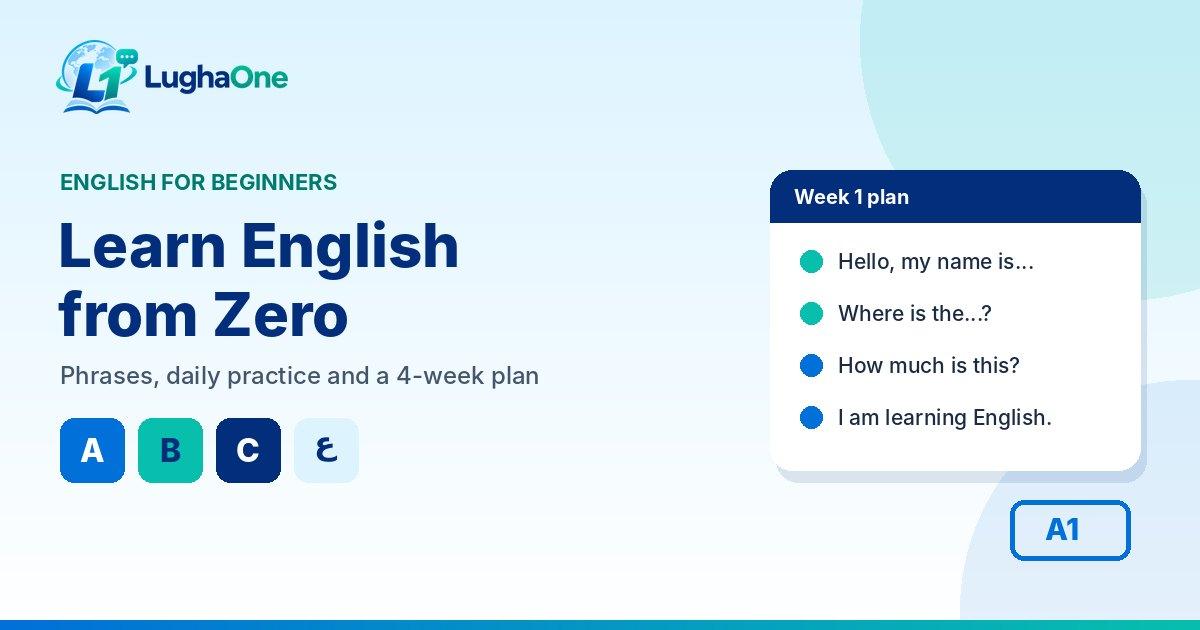
English learning
How to Learn English from Zero: A Practical Beginner's Guide
Start speaking with confidence: the first phrases to learn, a 15-minute daily routine, beginner mistakes to avoid and a simple four-week plan.
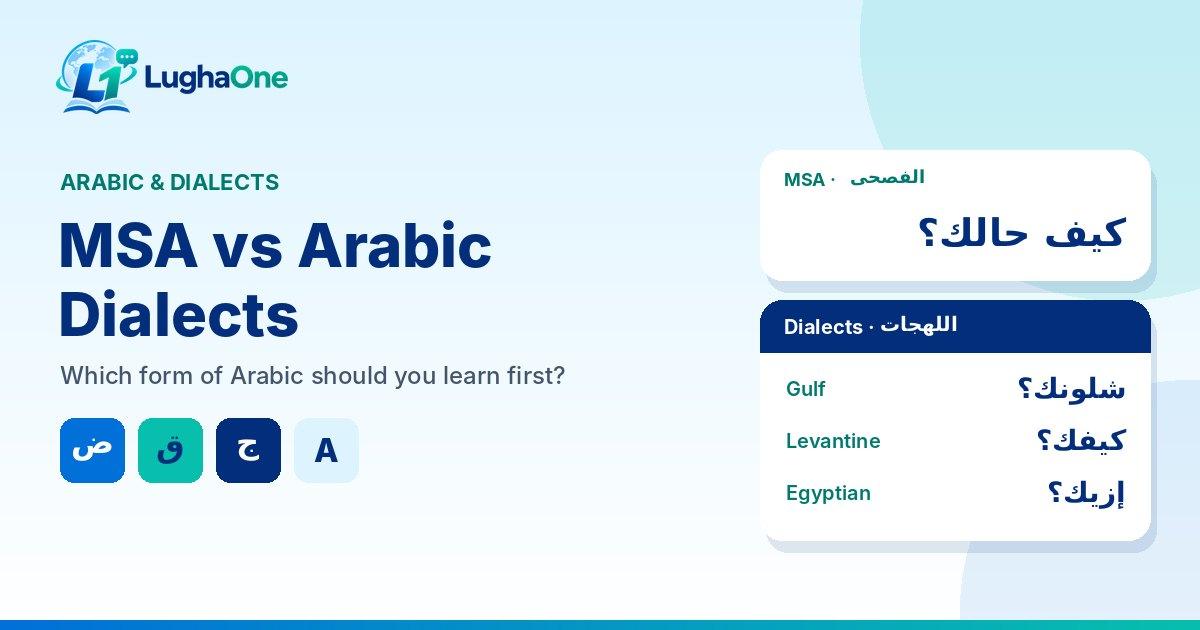
Arabic & dialects
Modern Standard Arabic vs. Arabic Dialects: Where Should You Start?
MSA or spoken Arabic? See how they differ in real examples, from 'How are you?' to the letter qaf, and choose the path that fits your goals.