
Why learn a language together?
If you want to learn a language as a family, you already have the most important ingredient: people you see every day. Parents can practise with children, older brothers and sisters can help younger ones, and everyone has a reason to keep going. Many families in the Gulf want stronger English for school and work, French or Spanish for travel and study, or a new language such as Korean or Mandarin because a child is curious about it.
Learning together also changes the feeling at home. Instead of parents checking homework, the whole family becomes a small team. Children love seeing adults make mistakes and try again, and adults often discover that a ten-year-old remembers new words faster than they do. That is fine: the goal is shared progress, not a competition.
Start with one language and one shared goal
Families that keep going usually make two simple decisions at the start.
Choose the language together
Pick one target language for the family project, even if some members are also studying others at school. Talk about why: an upcoming trip, a school subject, a grandparent who lives abroad, or a series everyone enjoys. A reason that the children helped choose will carry you further than a parent's decision alone.
Make the goal small and visible
"Become fluent" is too big. Good family goals sound like this: "order our food in English on our next holiday", "introduce ourselves in French", or "learn 100 Spanish words by the end of the school term". Write the goal on paper and put it on the fridge or near the dining table, where everyone sees it.
A simple weekly plan for family language learning
Family language learning works best when it attaches to routines you already have. You do not need a long lesson; you need short, repeated moments. Here is a plan that fits most homes and works whether your weekend is Friday and Saturday or Saturday and Sunday:
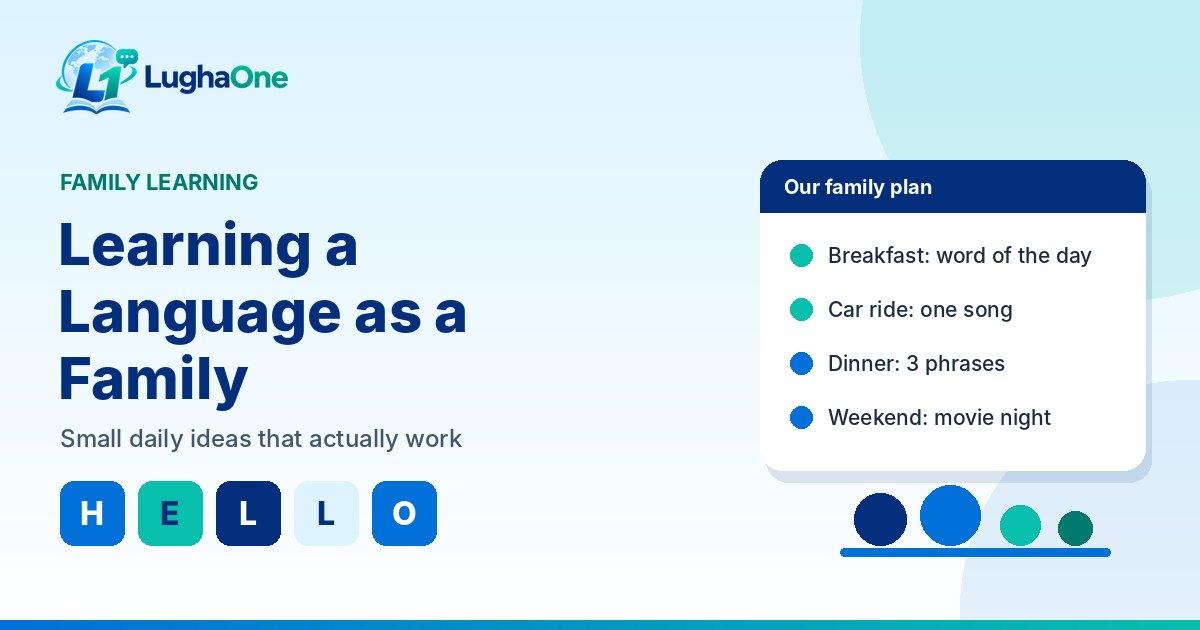
- Breakfast: one word of the day. One person chooses a word, says it, and everyone uses it at least once before evening.
- In the car or on the way to school: one song or one short audio in the target language.
- Dinner: three phrases. Each person shares one new phrase they learned, for example "Can I have some water, please?".
- Before bed: five minutes of individual practice, with each person on their own level.
- Weekend: a family activity in the language, such as a cartoon, a cooking video or a simple board game.
Keep the sessions short
Ten to fifteen minutes a day is more useful than one long session at the weekend. Short practice is easier to repeat, and repetition is what moves new words into long-term memory. If the family misses a day, simply continue the next day without guilt.
Language games for families
Games turn practice into something children ask for. These language games for families need almost no preparation:
- Label the house: stick notes with the new words on the door, the fridge, the window and the table. Change them every week.
- I spy: "I spy something blue" works in any language and practises colours and objects.
- Restaurant at home: one person is the waiter, the others order dinner in the target language.
- Twenty questions: think of an animal or a famous place; others ask yes/no questions.
- Translation challenge: a parent says a short sentence in Arabic and the children race to say it in the new language.
Let children lead sometimes
Give a child the role of "teacher" for a few minutes. Explaining a word to a parent is one of the best ways for a child to remember it, and it builds real confidence.
Learn English with your kids at different levels
In most families, people start at different levels. A teenager may already study English at school, while a parent is a beginner, or the other way round. That is normal. The trick is to separate individual practice from family practice.
During individual time, each person works at their own level. During family time, choose activities everyone can join: the youngest can answer with one word while older members answer with a full sentence. For example, when someone asks "What did you do today?", a young child can say "School!" and an older child can say "I played football with my friends after school."
Avoid correcting every mistake
Constant correction makes people stop speaking. Instead, repeat the sentence correctly in a natural way. If a child says "I goed to the park", you can answer: "Oh, you went to the park? Nice!" The child hears the right form without feeling embarrassed.
How to keep everyone motivated
Motivation in families rises and falls, especially during exams or busy weeks at work. A few habits help the project survive:
- Track progress on a chart: one sticker for every day someone practises.
- Celebrate small wins, such as the first full conversation at dinner, with a family treat.
- Connect the language to real plans: look at the menu of a restaurant abroad, or write a short message to a relative.
- Review old words regularly. Spaced review helps everyone remember more with less effort.
- Parents, show your own practice. Children copy what they see more than what they hear.
Learn together with a LughaOne family plan
LughaOne makes it easy for each family member to practise on their own level and then share what they learned at the dinner table. You can choose from 20 study languages, including English, French, Spanish, German, Korean and Mandarin, with 2,340 reviewed A1 and A2 lessons across 26 learning tracks. Lessons can be played at normal or slow speed, and saved words, flashcards, quizzes and review sessions help everyone remember new vocabulary. The AI tutor answers questions about each lesson.
In many languages, including English, French, Spanish, Korean and Mandarin, LughaOne also offers pronunciation practice with AI accuracy and fluency scores and a pronunciation history, so everyone can hear how they improve. Family plans cover up to six accounts, so every person has their own progress. Start with the 3-day free trial, no card needed.
Keep exploring
Career English
English for Customer Service Jobs: Phrases That Sound Professional
Good customer service English is not about long words. It is about a small set of polite, clear phrases you can use every day in shops, hotels, restaurants and help desks.

Chinese for beginners
Learning Mandarin Chinese: A Realistic Starting Plan for Beginners
Mandarin looks impossible from the outside, but the first month is very manageable if you start in the right order: pinyin and tones first, then survival phrases, simple sentence patterns and your first characters.
Business English
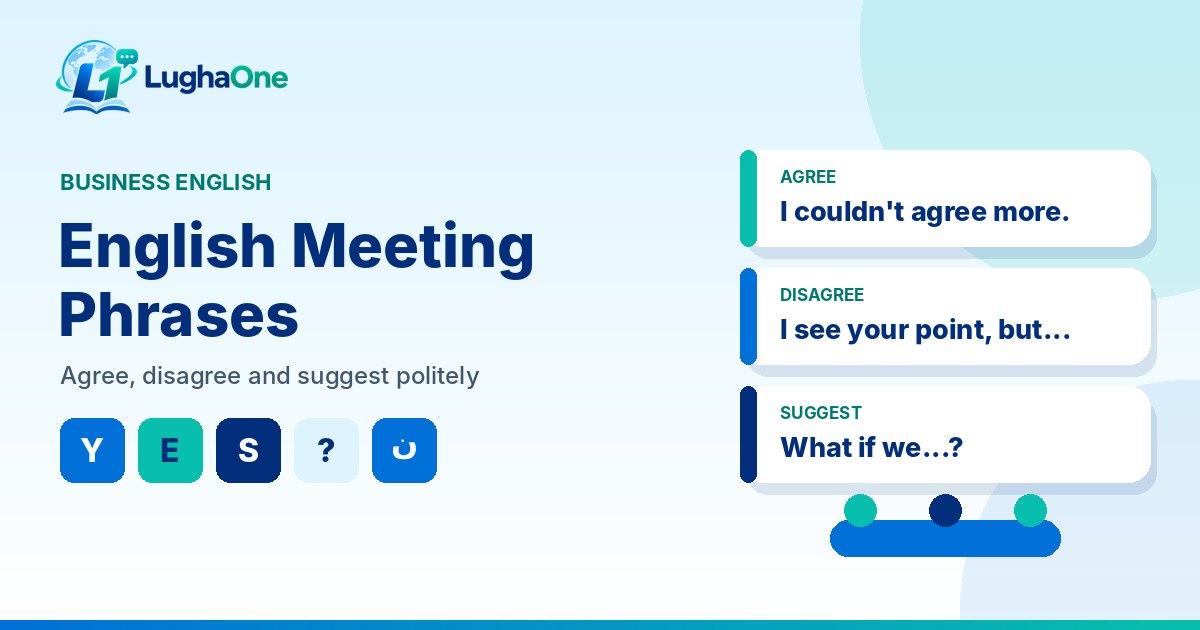
English Meeting Phrases: Agree, Disagree and Suggest Politely
Ready-to-use English for meetings in the office or on video calls: how to open, agree, disagree without sounding rude, suggest ideas, interrupt politely and close with clear next steps.
Learn languages
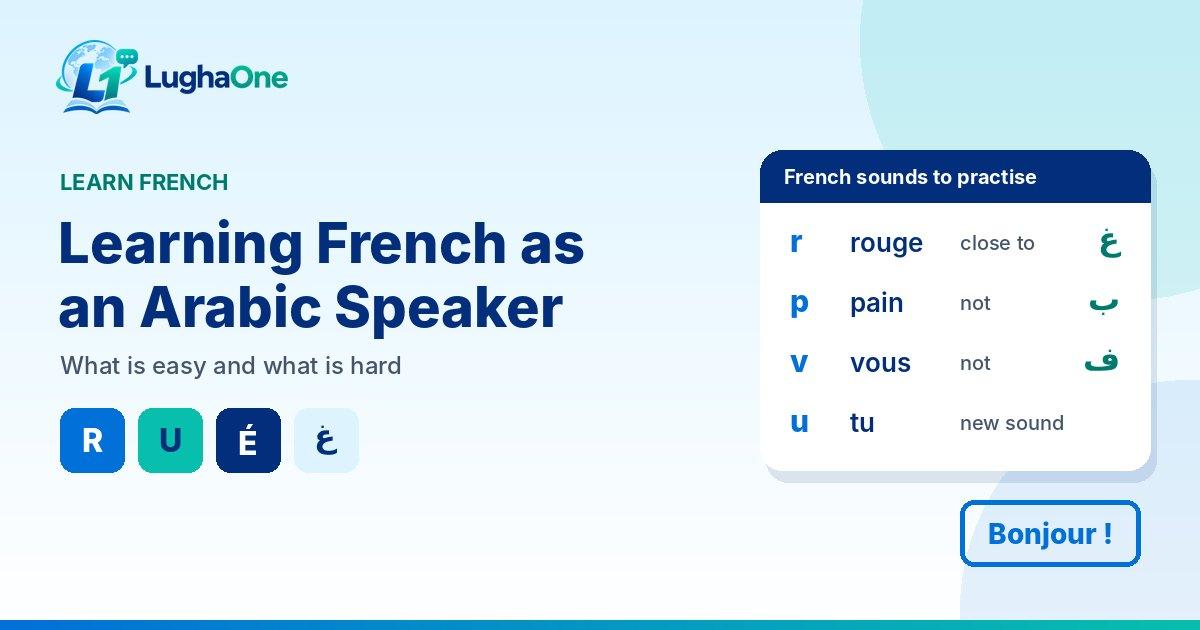
Learning French as an Arabic Speaker: What Is Easy and What Is Hard
Arabic speakers start French with more advantages than they think: the French r, grammatical gender and adjectives after the noun all feel familiar. Here is what comes easily, what takes practice, and how to start.
Business English
English Phone Call Phrases: Bookings, Support and Work Calls
Phone calls are harder than face-to-face English: no gestures, no lips to read, and the other person is waiting. These ready-to-use phrases for work calls, bookings and customer support help you sound calm, clear and polite.
Study Skills
Spaced Repetition: Remember New Vocabulary for Longer
You learn twenty new words on Monday and remember five by Friday. Spaced repetition fixes that: review each word just before you would forget it, at growing intervals. Here is how it works and how to use it with paper or an app.
Family Learning
Teaching Kids Arabic at Home: A Simple Weekly Routine
A practical plan for Arab families abroad and mixed families: short daily Arabic moments, a seven-day routine, how to handle dialect and Modern Standard Arabic, and how to keep going when your child answers in English.

Learning Tips
How AI Can Help You Practise Speaking a New Language
Speaking is the skill most learners practise least. Here is what AI speaking practice can and cannot do, a simple 20-minute routine, ready-to-use role-play prompts and tips for Arabic speakers learning English.
Business English
English Small Talk at Work: Natural Phrases for the Office
Short, natural English for the moments before meetings, in the lift and at the coffee machine: how to start, what to talk about, how to keep it going and how to leave politely.
Learn Arabic
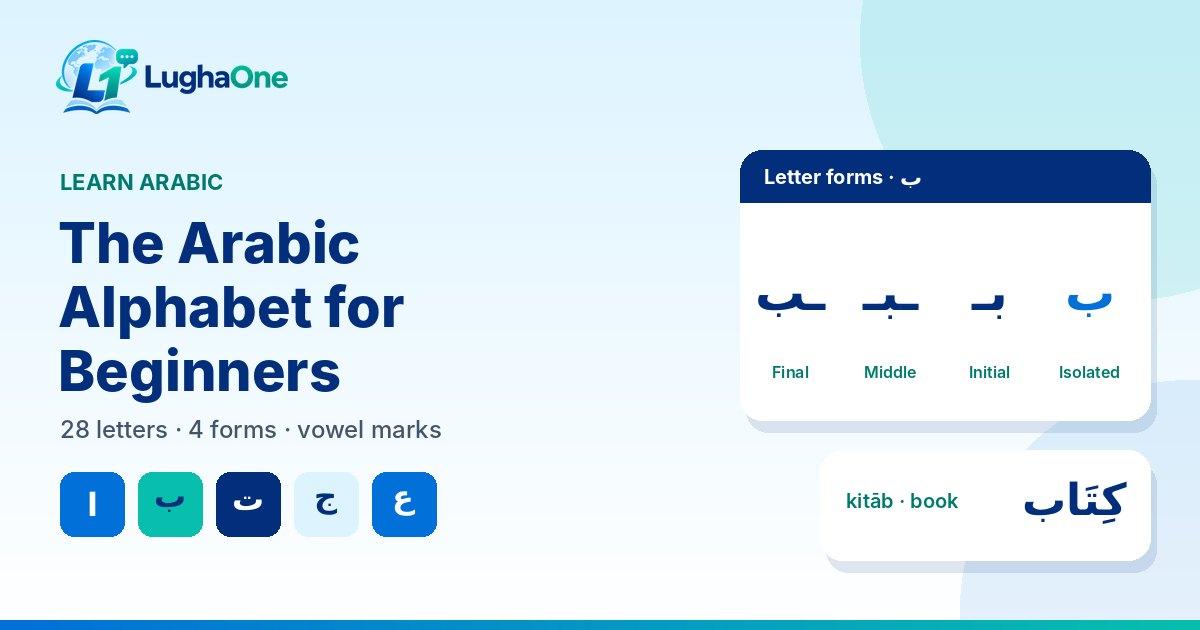
The Arabic Alphabet for Beginners: Letters, Shapes and Sounds
Learn to read Arabic step by step: how the script works, the 28 letters grouped by shape, how letters change at the start, middle and end of a word, vowel marks and a two-week practice plan.
Learning Tips
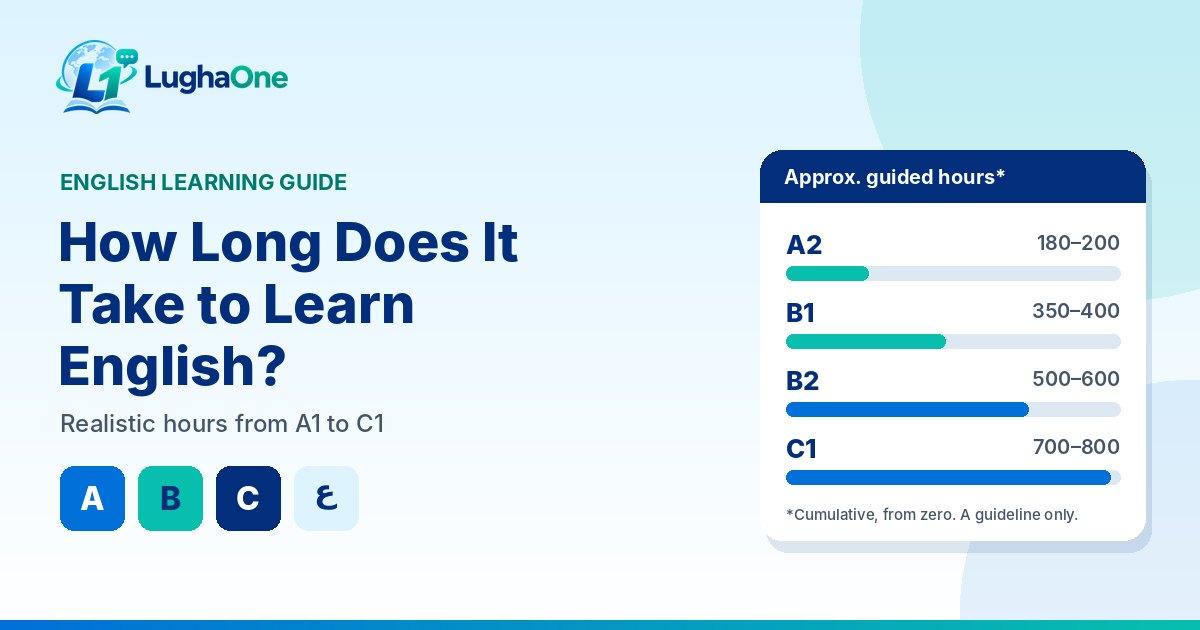
How Long Does It Take to Learn English? A Realistic Answer
A realistic answer in hours, not promises: approximate study time for each level from A1 to C2, the factors that change it, and simple weekly plans for busy learners.
Arabic Dialects
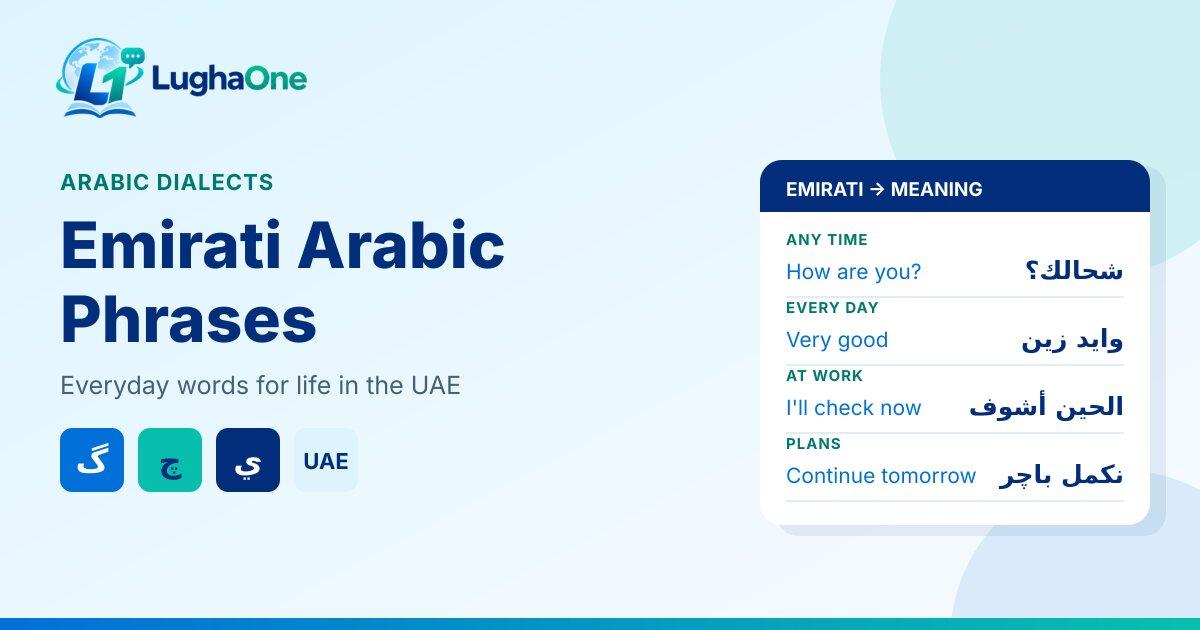
Emirati Arabic Phrases for Everyday Life in the UAE
The Emirati words and phrases you will actually hear in Dubai, Abu Dhabi and Sharjah: how the dialect sounds, everyday words, office and shop phrases, directions for taxis and Emirati hospitality.
Arabic for Beginners
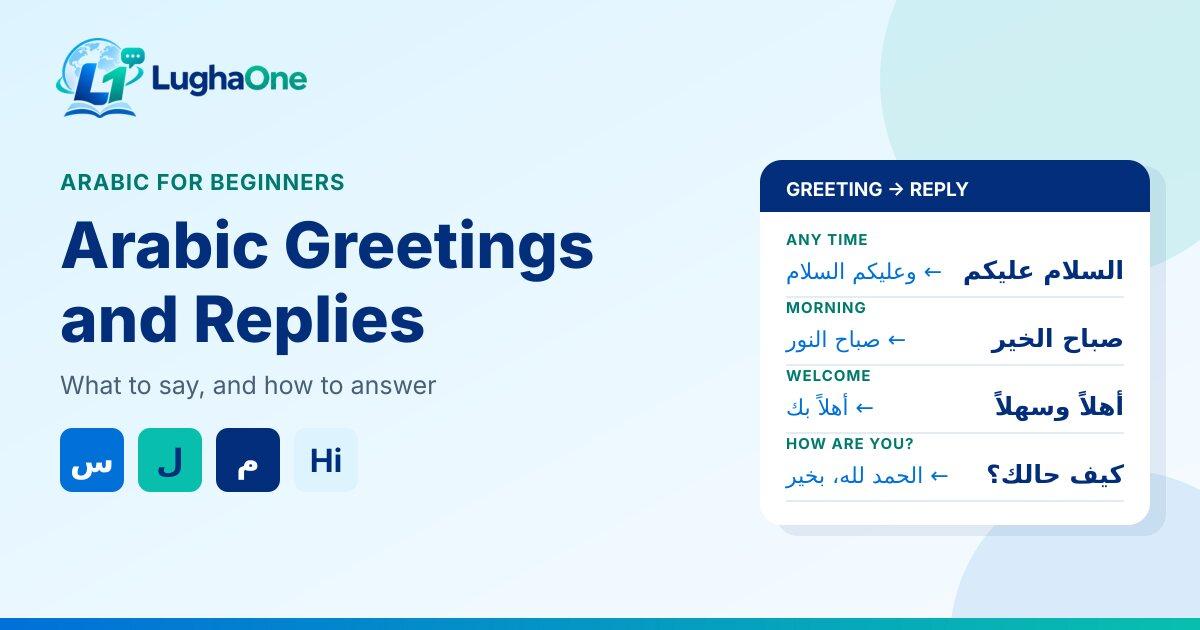
Arabic Greetings and Responses: What to Say and How to Reply
In Arabic, almost every greeting has a set reply. Learn the pairs for every time of day, how to ask how are you across the region, what to say on Ramadan and Eid, and the etiquette that goes with them.
Practical English
English for Travel: Airport, Hotel and Taxi Phrases You Will Actually Use
The English you need from the check-in desk to your hotel room: short, polite phrases for every step of the trip, the questions officers ask, and easy fixes for common mistakes.
Arabic Dialects
Saudi Arabic Phrases for Expats: Work, Shops and Daily Life
The everyday Saudi Arabic you will hear in Riyadh, Jeddah and beyond, from hala wallah and abshir to bikam hadha, with simple notes on Najdi and Hijazi speech.
English Grammar
12 English Grammar Mistakes Arabic Speakers Make (and How to Fix Them)
Twelve grammar mistakes that come from thinking in Arabic while speaking English, why each one happens, and a simple correction you can start using today.
Business English
Business English Email Phrases: How to Write Clear, Professional Emails at Work
Ready-to-use phrases for every part of a work email, from the greeting to the sign-off, with a sample email you can adapt and the small mistakes that make emails sound less professional.

Business English
English Job Interview Questions and Answers: A Guide for Arabic Speakers
How to answer 'Tell me about yourself', 'Why should we hire you?' and other common interview questions in clear, confident English, with sample answers you can adapt.
Pronunciation
English Pronunciation for Arabic Speakers: Fix P/B, V/F and More
Why 'parking' turns into 'barking' and 'very' into 'fery', and simple daily drills that make your English clearer in meetings, interviews and travel.
English learning
How to Learn English from Zero: A Practical Beginner's Guide
Start speaking with confidence: the first phrases to learn, a 15-minute daily routine, beginner mistakes to avoid and a simple four-week plan.
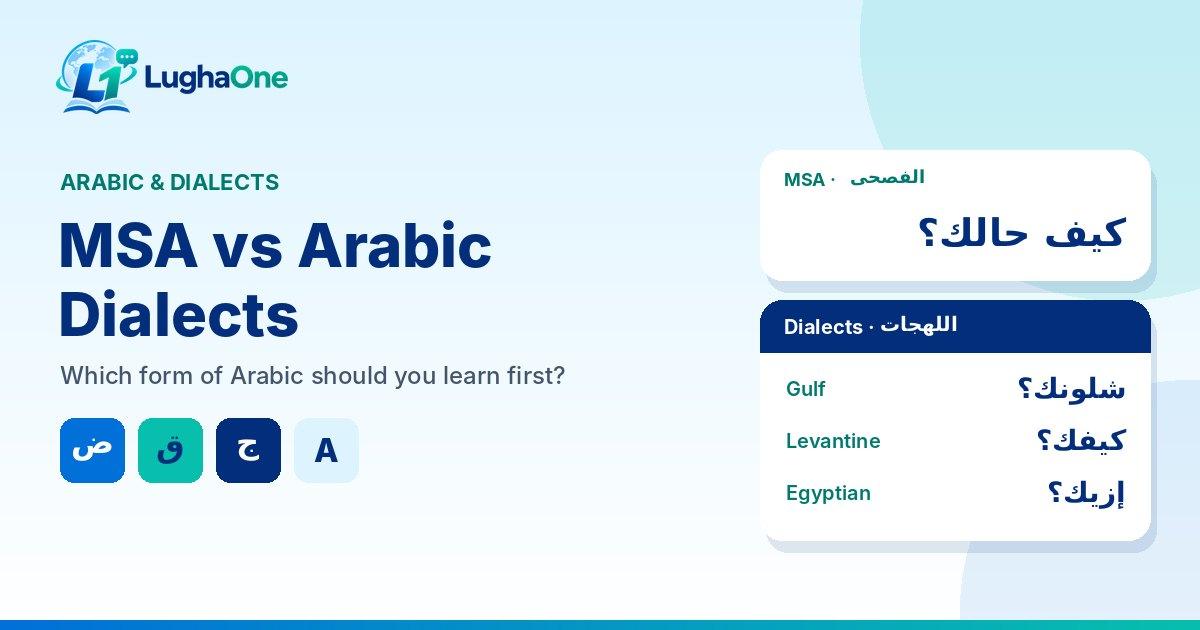
Arabic & dialects
Modern Standard Arabic vs. Arabic Dialects: Where Should You Start?
MSA or spoken Arabic? See how they differ in real examples, from 'How are you?' to the letter qaf, and choose the path that fits your goals.