
Why start with the Arabic alphabet?
The Arabic alphabet for beginners looks harder than it is. There are 28 letters, many of them share the same basic shape, and once you know the system you can sound out shop signs, menus and street names across the Gulf and the wider Arab world. Learning the script early also helps you pronounce new words correctly instead of relying on transliterations that every website spells differently.
This guide explains how Arabic writing works, lists all 28 letters with their sounds, shows how letters change shape inside a word, introduces the vowel marks and gives you a realistic two-week plan. Transliterations are approximate; the best check is always to listen to a speaker and repeat.
How Arabic writing works
Five facts explain most of what looks unusual about Arabic script:
- It runs from right to left. Books and notebooks open from what an English reader would call the back.
- Letters join together. Arabic is always written in a joined, cursive style, in print as well as by hand.
- There are no capital letters. A letter's shape depends only on its position in the word.
- The alphabet mainly writes consonants and long vowels. Short vowels are small optional marks that most adult texts leave out.
- Dots matter. Many letters share one body shape and differ only in the number and position of their dots.
The 28 Arabic letters and their sounds
The quickest way to learn the letters is by shape family rather than in dictionary order. Learn one base shape, then the dots that turn it into two or three different letters.
Letters that share a shape
Each group below has the same body; only the dots change.
- ب (bāʾ) b · ت (tāʾ) t · ث (thāʾ) th as in think. At the start or middle of a word, ن (nūn) n and ي (yāʾ) y also use this tooth shape: نـ يـ.
- ج (jīm) j · ح (ḥāʾ) a strong, breathy h from the throat · خ (khāʾ) kh, like ch in the Scottish loch.
- د (dāl) d · ذ (dhāl) th as in this.
- ر (rāʾ) a rolled r · ز (zāy) z.
- س (sīn) s · ش (shīn) sh.
- ص (ṣād) a heavy s · ض (ḍād) a heavy d.
- ط (ṭāʾ) a heavy t · ظ (ẓāʾ) a heavy th as in this.
- ع (ʿayn) a tight sound from the throat with no English equivalent · غ (ghayn) gh, close to a French r.
- ف (fāʾ) f, one dot · ق (qāf) q, a k made further back in the throat, two dots.
Letters with their own shape
The remaining letters have no twin, which makes them easy to spot.
- ا (alif): a long ā, or a seat for the glottal stop hamza.
- ك (kāf) k · ل (lām) l · م (mīm) m · ن (nūn) n.
- ه (hāʾ) a light h, as in hat.
- و (wāw) w, or a long ū · ي (yāʾ) y, or a long ī.
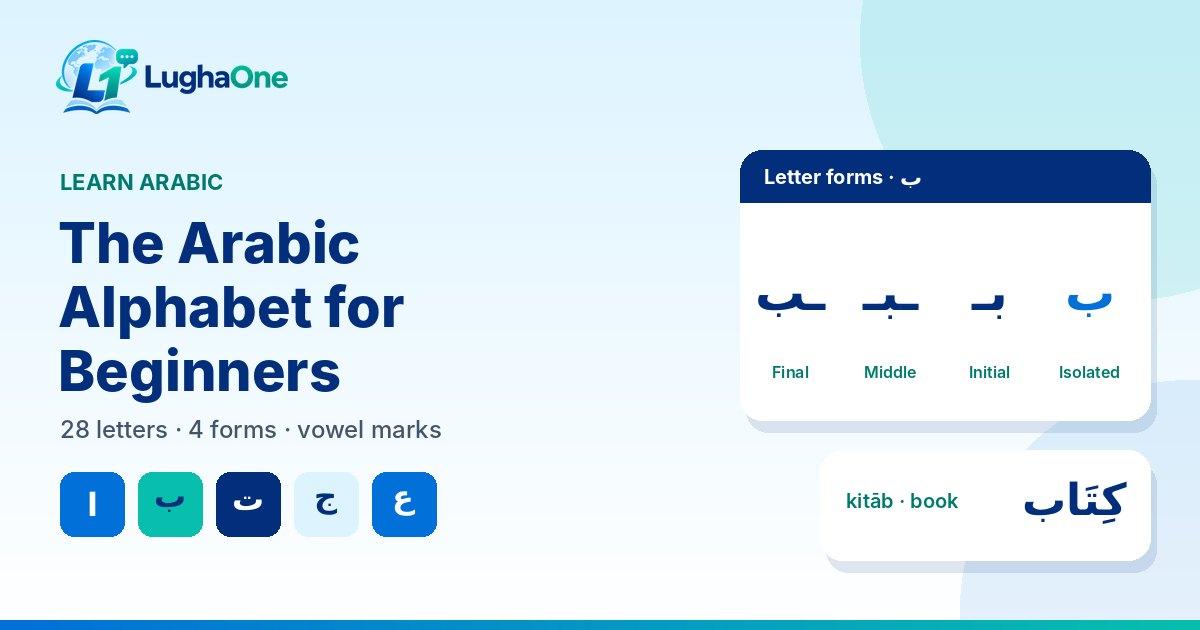
Arabic letter forms: isolated, initial, middle and final
Most letters have up to four forms, depending on whether they stand alone or join the letters before and after them. The core shape stays recognisable; the letter mainly gains or loses its connecting stroke.
Take ب (b): ب on its own, بـ at the start of a word, ـبـ in the middle and ـب at the end. Some letters change more. ع becomes عـ at the start, ـعـ in the middle and ـع at the end, and ه becomes هـ, ـهـ and ـه.
The six letters that never join forward
Six letters connect only to the letter before them, never to the letter after: ا د ذ ر ز و. After one of these, the next letter starts again in its initial or isolated form. That is why words can look as if they have gaps in them.
- كتاب (kitāb, book): ك and ت join, ت joins ا, but ا cannot join forward, so the final ب stands alone.
- باب (bāb, door): ب joins ا, then the last ب is written on its own.
- ورد (ward, roses): all three letters are non-joiners, so the word is three separate letters.
Vowels: long letters and short marks
Arabic has three long vowels, written with full letters, and three short vowels, written as small marks above or below a letter. Children's books, the Quran and many beginner materials show the marks; newspapers, signs and messages usually do not.
- Long vowels: ا for ā as in باب (bāb, door), و for ū as in نور (nūr, light), ي for ī as in كبير (kabīr, big).
- Fatḥa (ـَ) a short a, ḍamma (ـُ) a short u, kasra (ـِ) a short i: كَتَبَ (kataba, he wrote) and كُتُب (kutub, books) use the same three letters.
- Sukūn (ـْ) shows a consonant with no vowel after it: مِنْ (min, from).
- Shadda (ـّ) doubles a consonant: مُدَرِّس (mudarris, teacher).
Special letters and signs to recognise
A few extra forms appear in almost every text, so learn them early.
- ة (tāʾ marbūṭa) appears at the end of many feminine words and usually sounds like a final a: مدرسة (madrasa, school).
- ى (alif maqṣūra) looks like ي without dots and is read as ā: على (ʿalā, on).
- ء (hamza) is a glottal stop, the catch in the middle of uh-oh. It sits alone or on a seat: أ إ ؤ ئ, as in أنا (anā, I) and سؤال (suʾāl, question).
- لا (lā, no) is a special joined form of ل and ا that you will see everywhere.
Sun and moon letters
The word for the is ال (al-), joined to the front of the noun. Before 14 sun letters, the l is not pronounced and the next consonant is doubled: الشمس is read ash-shams (the sun). Before the other 14 moon letters, the l is pronounced: القمر is read al-qamar (the moon).
- The sun letters are: ت ث د ذ ر ز س ش ص ض ط ظ ل ن. All the others are moon letters.
Sounds that are new for English speakers
Most Arabic letters have a close English match. A small group does not, and these deserve extra listening practice: ع, ح, خ, غ and ق, plus the four heavy (emphatic) letters ص, ض, ط and ظ, which are said with the back of the tongue raised. Arabic is sometimes called لغة الضاد, the language of the ḍād, because that heavy d is considered so distinctive.
Practise in pairs that sound alike to an English ear: س and ص, د and ض, ت and ط, ه and ح, ك and ق. Also expect regional variation in speech. In Gulf dialects ق is often a hard g, while in Cairo it is usually a glottal stop, and Egyptians say ج as a hard g. The letters stay the same in writing.
A two-week plan to learn the Arabic letters
Twenty to thirty minutes a day is enough. Say each letter aloud, write it by hand in all its forms, and read short words as soon as you can.
- Days 1–2: ا و ي and the tooth family ب ت ث ن ي.
- Days 3–4: ج ح خ, د ذ and ر ز. Notice which letters never join forward.
- Days 5–6: س ش, ص ض and ط ظ.
- Days 7–8: ع غ, ف ق and ك ل م ه.
- Days 9–10: short vowel marks, sukūn and shadda. Read fully vowelled words aloud.
- Days 11–14: ة ى ء and لا, sun and moon letters, then real reading: bilingual street signs, menus and product labels.
Keep going with LughaOne
Once you can recognise the letters, the next step is hearing and using real words. LughaOne offers Arabic learning tracks in Modern Standard Arabic and six dialects (Saudi, Emirati, Palestinian, Levantine, Egyptian and Yemeni), with reviewed A1 and A2 lessons, listening at normal or slow speed, saved words, flashcards, quizzes and an AI tutor that answers your questions about each lesson. Saudi Arabic and Egyptian Arabic also include pronunciation practice with AI accuracy and fluency scores.
Start your 3-day free trial today, no card needed, and read your first Arabic word this week.
Keep exploring
Family Learning
Learning a Language as a Family: Ideas That Actually Work
Learning a new language together can be one of the best family projects you start this year, as long as you keep it short, playful and built into the routines you already have.
Career English
English for Customer Service Jobs: Phrases That Sound Professional
Good customer service English is not about long words. It is about a small set of polite, clear phrases you can use every day in shops, hotels, restaurants and help desks.
Chinese for beginners
Learning Mandarin Chinese: A Realistic Starting Plan for Beginners
Mandarin looks impossible from the outside, but the first month is very manageable if you start in the right order: pinyin and tones first, then survival phrases, simple sentence patterns and your first characters.
Business English
English Meeting Phrases: Agree, Disagree and Suggest Politely
Ready-to-use English for meetings in the office or on video calls: how to open, agree, disagree without sounding rude, suggest ideas, interrupt politely and close with clear next steps.
Learn languages
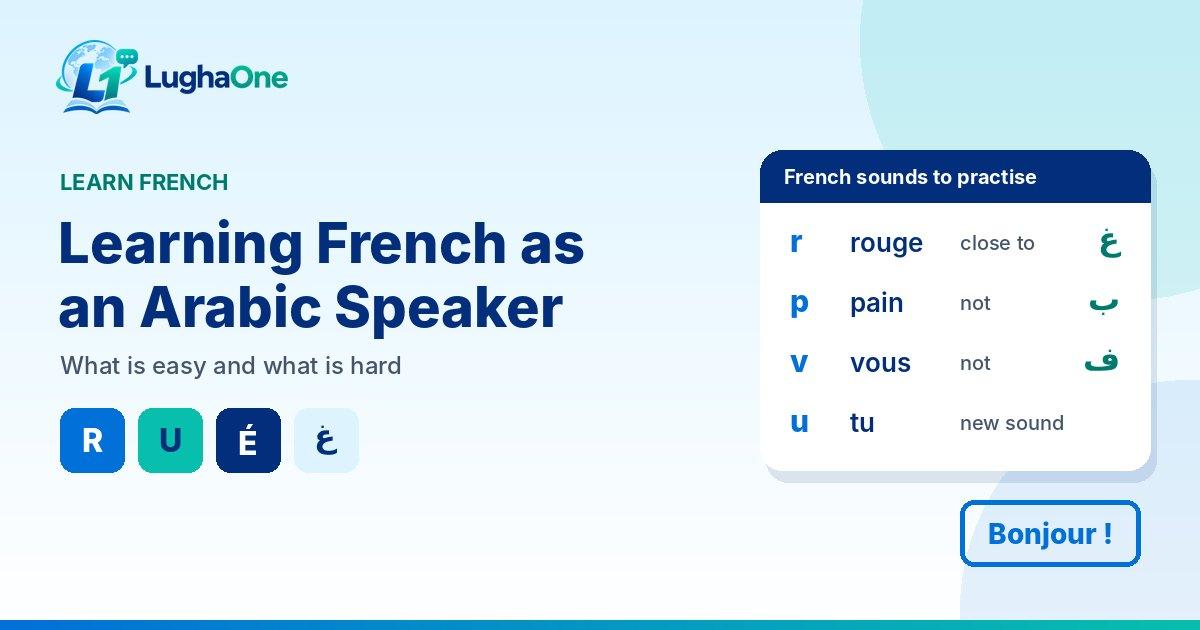
Learning French as an Arabic Speaker: What Is Easy and What Is Hard
Arabic speakers start French with more advantages than they think: the French r, grammatical gender and adjectives after the noun all feel familiar. Here is what comes easily, what takes practice, and how to start.
Business English
English Phone Call Phrases: Bookings, Support and Work Calls
Phone calls are harder than face-to-face English: no gestures, no lips to read, and the other person is waiting. These ready-to-use phrases for work calls, bookings and customer support help you sound calm, clear and polite.
Study Skills
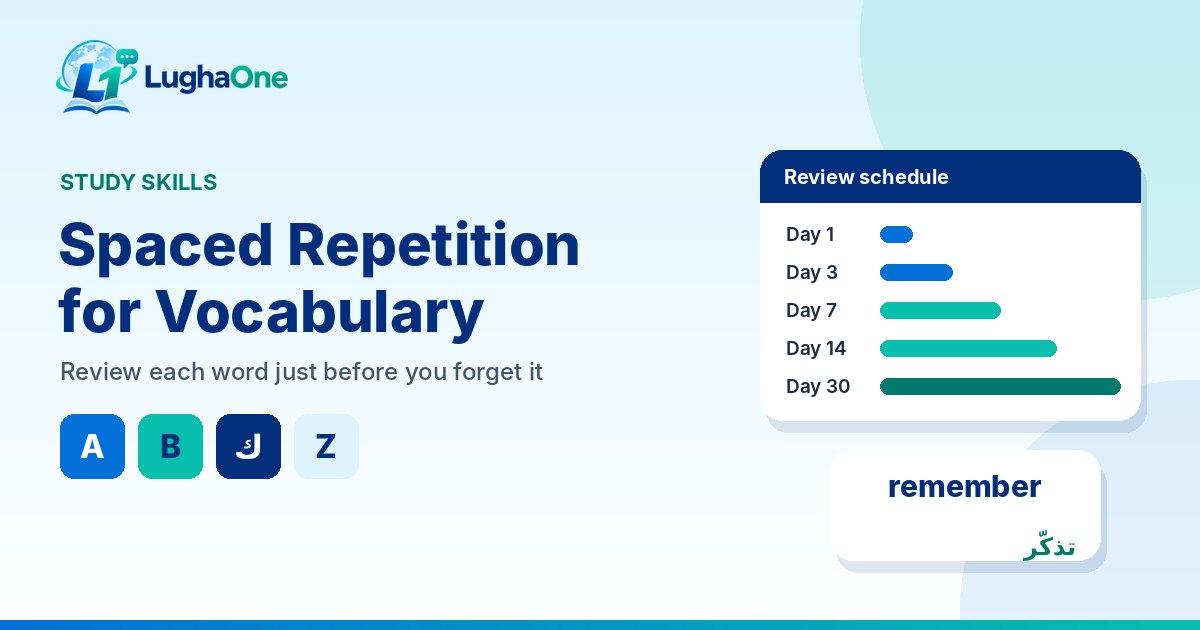
Spaced Repetition: Remember New Vocabulary for Longer
You learn twenty new words on Monday and remember five by Friday. Spaced repetition fixes that: review each word just before you would forget it, at growing intervals. Here is how it works and how to use it with paper or an app.
Family Learning
Teaching Kids Arabic at Home: A Simple Weekly Routine
A practical plan for Arab families abroad and mixed families: short daily Arabic moments, a seven-day routine, how to handle dialect and Modern Standard Arabic, and how to keep going when your child answers in English.

Learning Tips
How AI Can Help You Practise Speaking a New Language
Speaking is the skill most learners practise least. Here is what AI speaking practice can and cannot do, a simple 20-minute routine, ready-to-use role-play prompts and tips for Arabic speakers learning English.
Business English
English Small Talk at Work: Natural Phrases for the Office
Short, natural English for the moments before meetings, in the lift and at the coffee machine: how to start, what to talk about, how to keep it going and how to leave politely.
Learning Tips
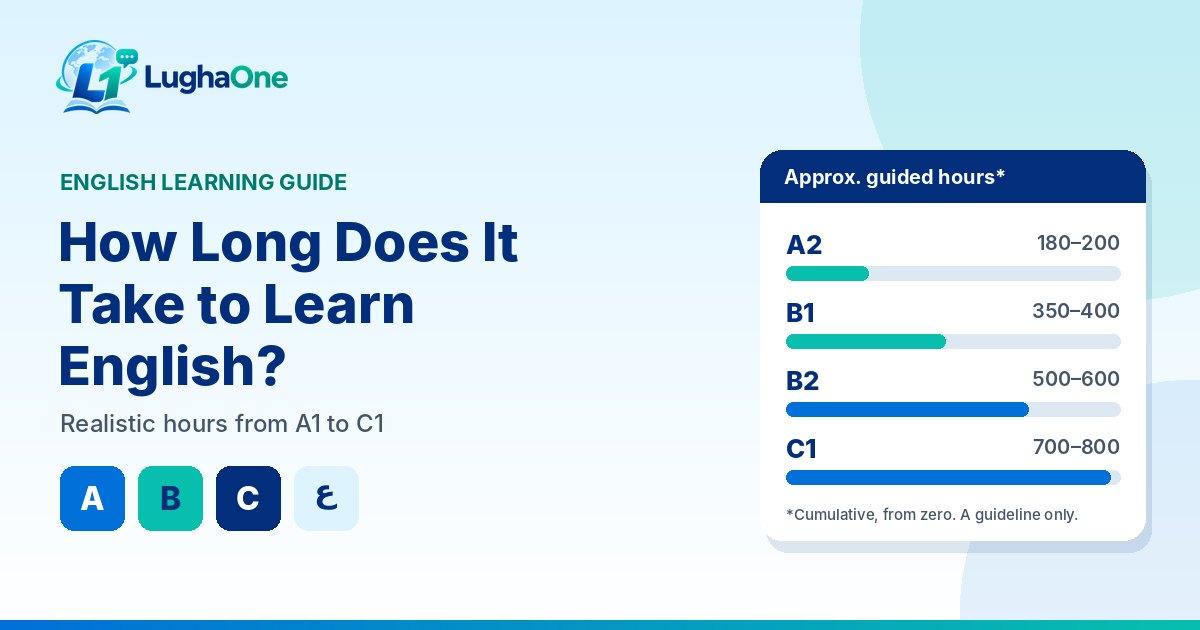
How Long Does It Take to Learn English? A Realistic Answer
A realistic answer in hours, not promises: approximate study time for each level from A1 to C2, the factors that change it, and simple weekly plans for busy learners.
Arabic Dialects
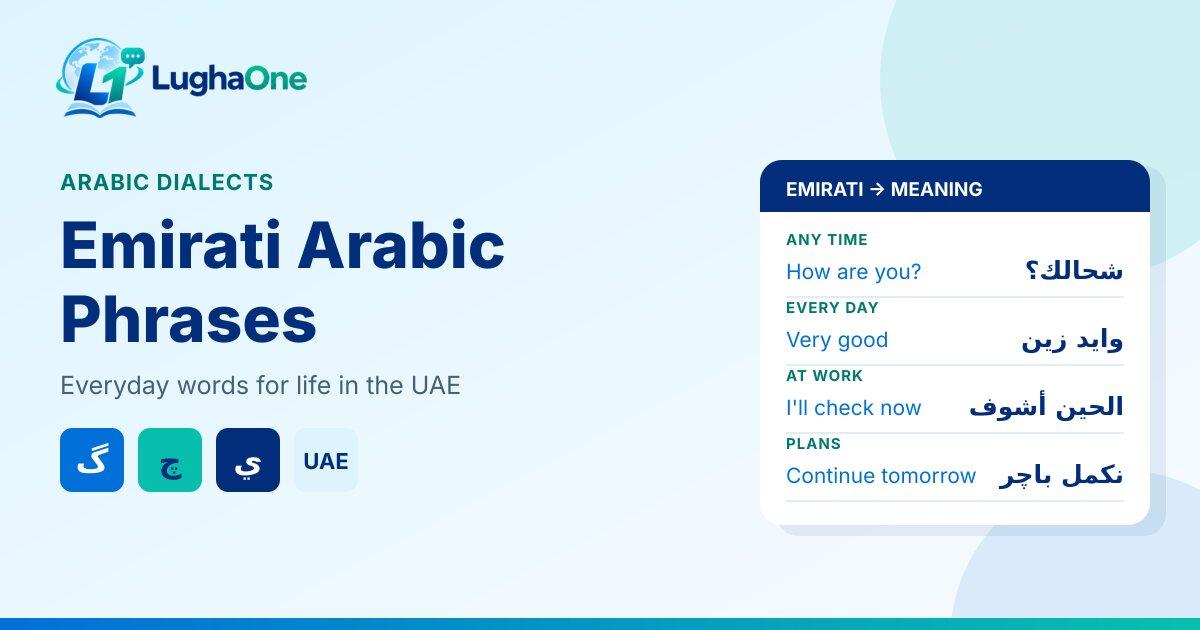
Emirati Arabic Phrases for Everyday Life in the UAE
The Emirati words and phrases you will actually hear in Dubai, Abu Dhabi and Sharjah: how the dialect sounds, everyday words, office and shop phrases, directions for taxis and Emirati hospitality.
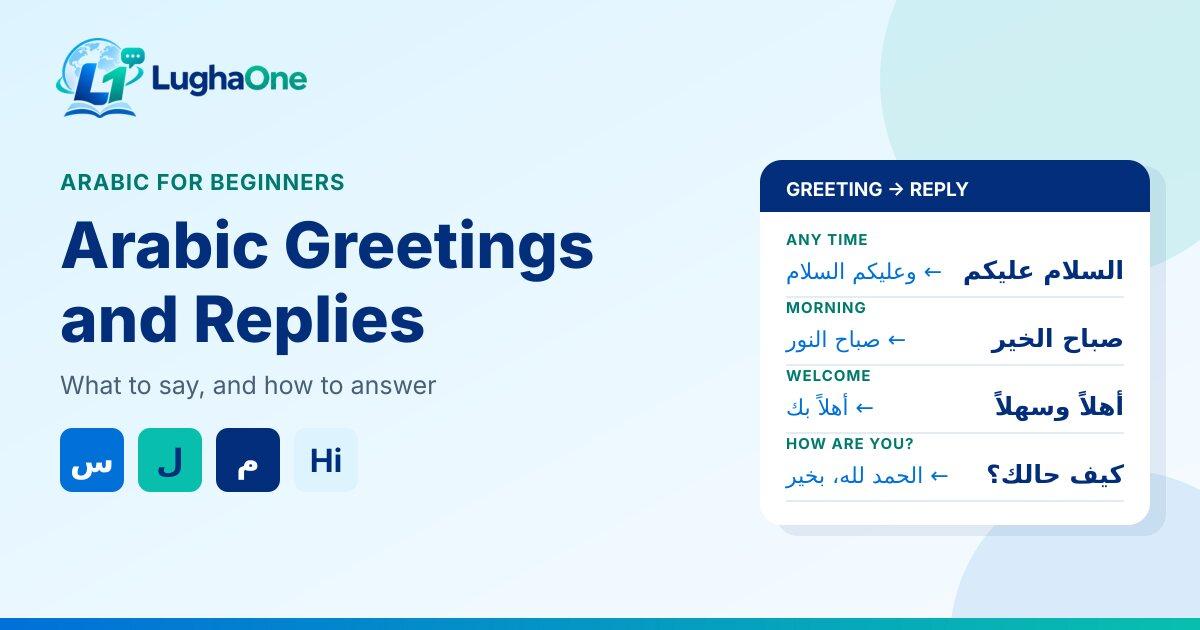
Arabic for Beginners
Arabic Greetings and Responses: What to Say and How to Reply
In Arabic, almost every greeting has a set reply. Learn the pairs for every time of day, how to ask how are you across the region, what to say on Ramadan and Eid, and the etiquette that goes with them.
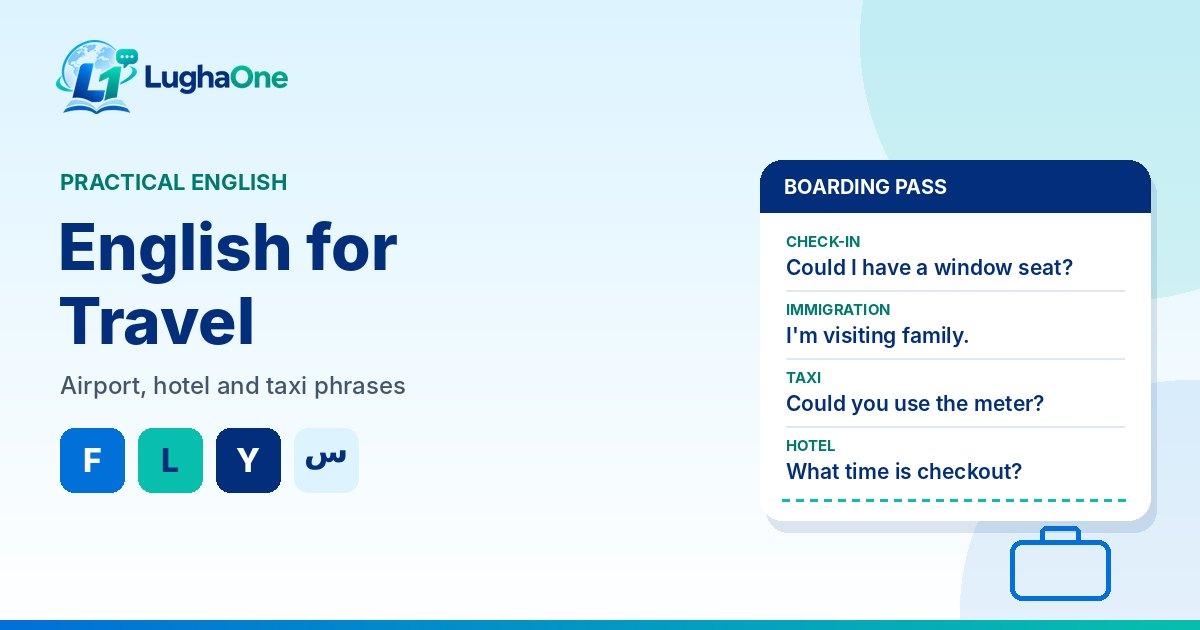
Practical English
English for Travel: Airport, Hotel and Taxi Phrases You Will Actually Use
The English you need from the check-in desk to your hotel room: short, polite phrases for every step of the trip, the questions officers ask, and easy fixes for common mistakes.
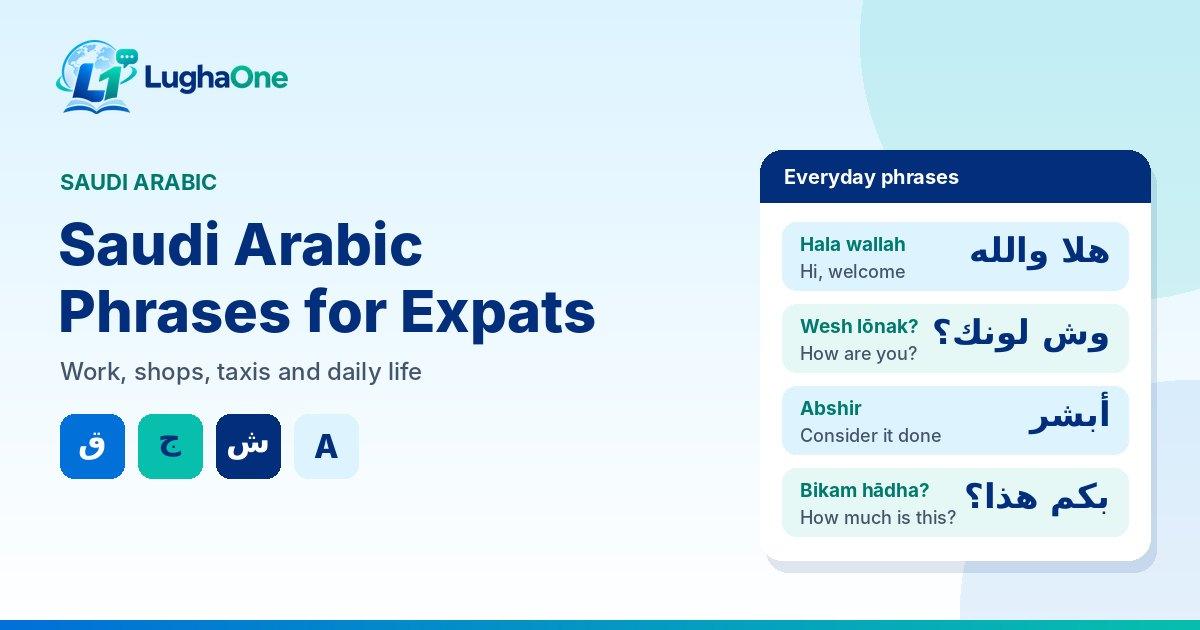
Arabic Dialects
Saudi Arabic Phrases for Expats: Work, Shops and Daily Life
The everyday Saudi Arabic you will hear in Riyadh, Jeddah and beyond, from hala wallah and abshir to bikam hadha, with simple notes on Najdi and Hijazi speech.
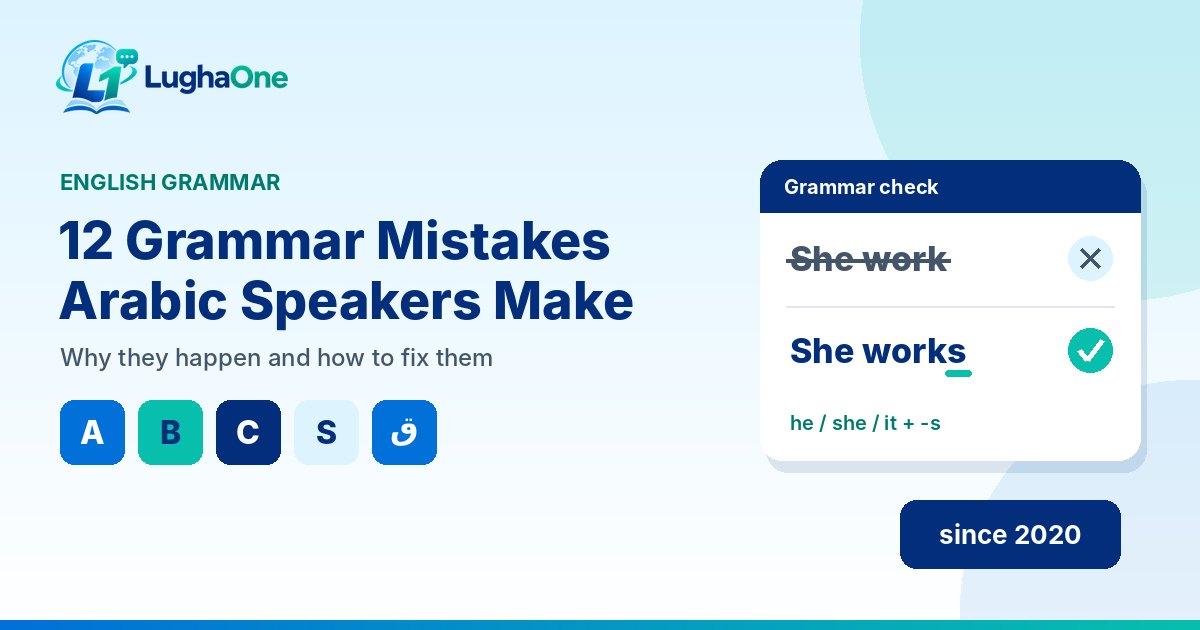
English Grammar
12 English Grammar Mistakes Arabic Speakers Make (and How to Fix Them)
Twelve grammar mistakes that come from thinking in Arabic while speaking English, why each one happens, and a simple correction you can start using today.
Business English
Business English Email Phrases: How to Write Clear, Professional Emails at Work
Ready-to-use phrases for every part of a work email, from the greeting to the sign-off, with a sample email you can adapt and the small mistakes that make emails sound less professional.

Business English
English Job Interview Questions and Answers: A Guide for Arabic Speakers
How to answer 'Tell me about yourself', 'Why should we hire you?' and other common interview questions in clear, confident English, with sample answers you can adapt.
Pronunciation
English Pronunciation for Arabic Speakers: Fix P/B, V/F and More
Why 'parking' turns into 'barking' and 'very' into 'fery', and simple daily drills that make your English clearer in meetings, interviews and travel.
English learning
How to Learn English from Zero: A Practical Beginner's Guide
Start speaking with confidence: the first phrases to learn, a 15-minute daily routine, beginner mistakes to avoid and a simple four-week plan.
Arabic & dialects
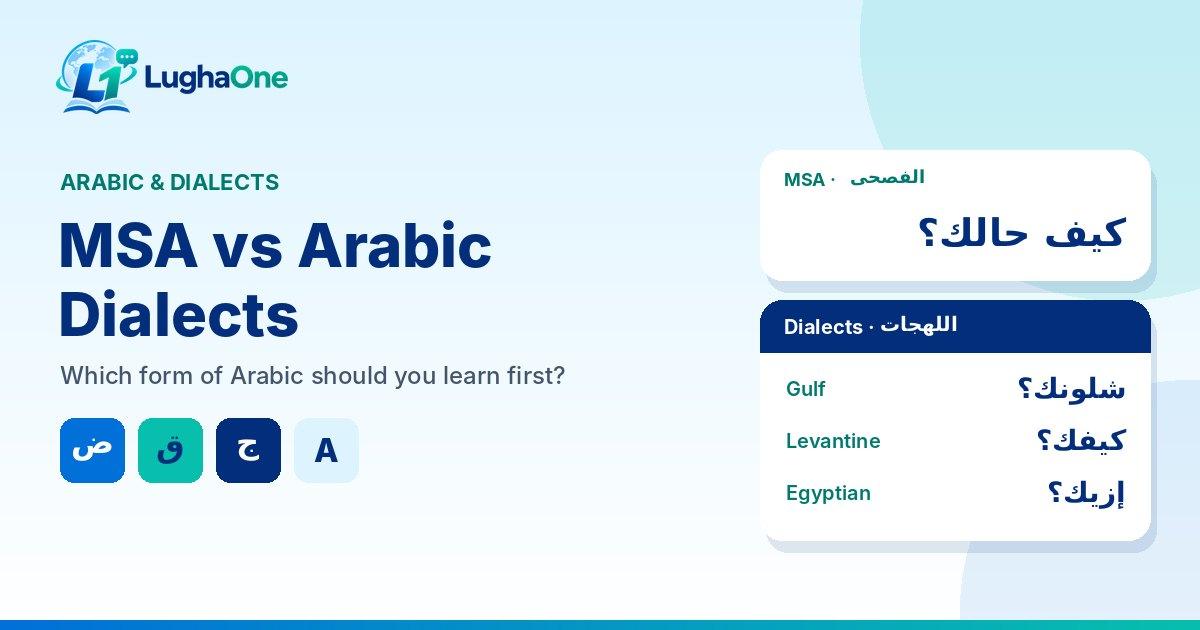
Modern Standard Arabic vs. Arabic Dialects: Where Should You Start?
MSA or spoken Arabic? See how they differ in real examples, from 'How are you?' to the letter qaf, and choose the path that fits your goals.