
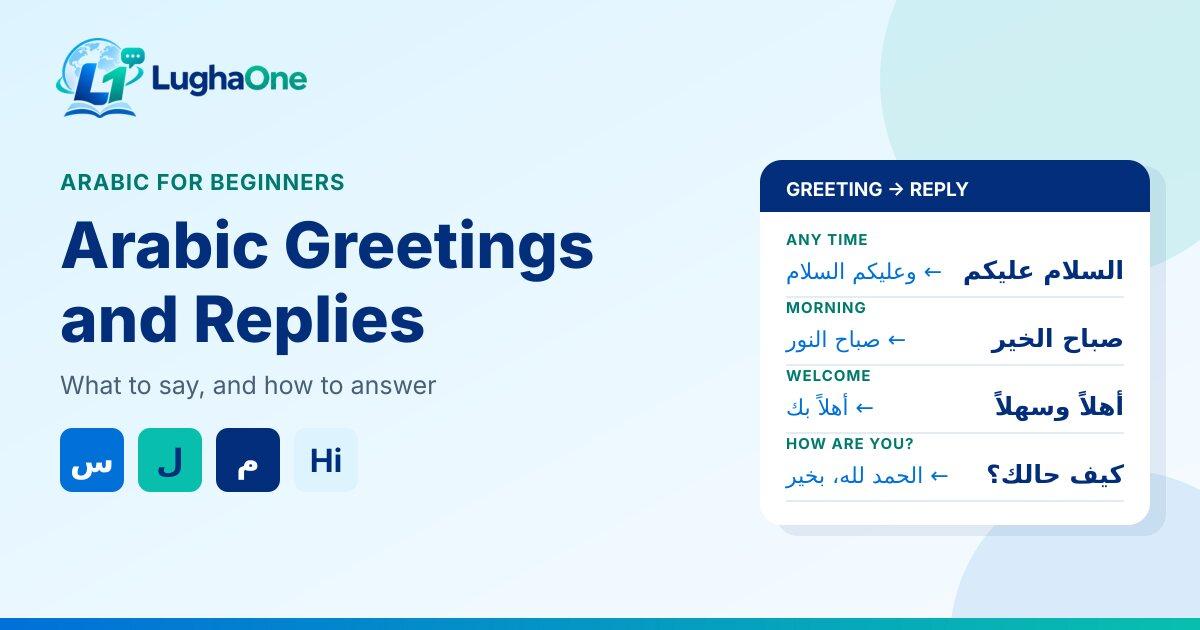
Why Arabic greetings come in pairs
If you live in Riyadh, Dubai or Doha, you hear Arabic greetings and responses all day: in the office lift, at the corner shop and in every phone call. The good news for learners is that most of them work like a call and an answer. One person says a set phrase, and the other gives a set reply. Learn both halves of each pair and you can take part in hundreds of short conversations before you know much grammar.
A second pattern makes replies easy to remember: the answer often repeats the greeting, adds to it or returns something slightly better. Below are the pairs you will hear most, grouped by situation, with Arabic script, a simple transliteration and the meaning. Transliterations are approximate, so listen to the people around you and copy them.
The greeting everyone uses: as-salāmu ʿalaykum
السلام عليكم (as-salāmu ʿalaykum) means "peace be upon you". It works at any time of day, in any Arabic-speaking country, with friends, colleagues and strangers. Its reply reverses the words: وعليكم السلام (wa ʿalaykum as-salām), "and upon you be peace".
In everyday life, the person who arrives or walks into a room usually greets first. You will also hear the longer form, السلام عليكم ورحمة الله وبركاته (as-salāmu ʿalaykum wa raḥmatu llāhi wa barakātuh), "peace be upon you, and God's mercy and blessings". A good reply repeats it in full: وعليكم السلام ورحمة الله وبركاته. Answering a greeting with an equal or warmer one is considered good manners.
- Greeting: السلام عليكم (as-salāmu ʿalaykum). Reply: وعليكم السلام (wa ʿalaykum as-salām).
- Longer greeting: السلام عليكم ورحمة الله وبركاته. Reply: وعليكم السلام ورحمة الله وبركاته.
Arabic greetings and responses for every time of day
Time-of-day greetings follow the same pattern: the reply is a fixed phrase, not a repetition of the greeting.
Morning and evening
The reply swaps "goodness" for "light". Friends sometimes reply playfully with flowers instead.
- صباح الخير (ṣabāḥ al-khayr): good morning. Reply: صباح النور (ṣabāḥ an-nūr), morning of light. Playful reply: صباح الورد (ṣabāḥ al-ward), morning of roses.
- مساء الخير (masāʾ al-khayr): good evening. Reply: مساء النور (masāʾ an-nūr).
Welcome and hello
Welcomes are warm and often doubled in the reply.
- أهلاً وسهلاً (ahlan wa sahlan): welcome. Reply: أهلاً بك (ahlan bik), or simply أهلاً.
- مرحبا (marḥaba): hello. Reply: مرحبتين (marḥabtēn), "two hellos", common in the Levant, or أهلين (ahlēn).
- هلا (hala) or يا هلا (yā hala): hi, very common in the Gulf. Reply: هلا والله (hala wallāh) or هلا بك (hala bik).
How are you? in MSA and the dialects
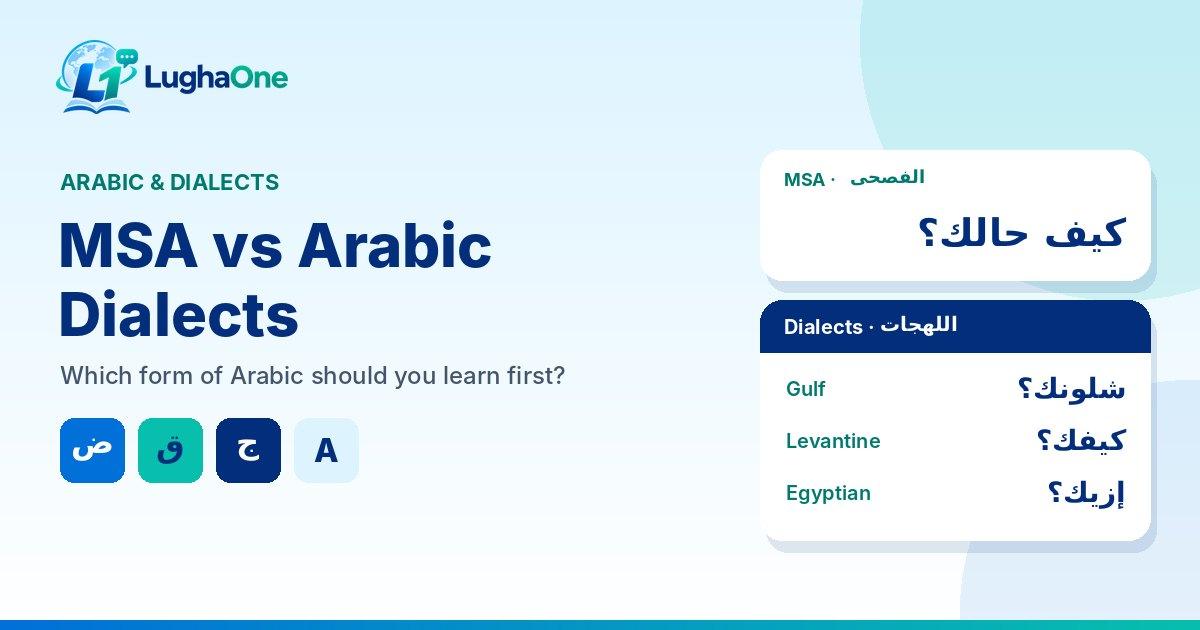
This is where the dialects differ most. Everyone understands the Modern Standard Arabic version, but using the local one sounds friendlier. The safe answer everywhere is الحمد لله (al-ḥamdu lillāh), "praise be to God", which people use to mean "fine, thanks" whatever kind of day they are having. Then return the question: وأنت؟ (w-inta?), "and you?".
Modern Standard Arabic
كيف حالك؟ (kayfa ḥāluk?): how are you? To a woman: كيف حالكِ؟ (kayfa ḥāluki?). Reply: بخير، الحمد لله (bi-khayr, al-ḥamdu lillāh), fine, thank God.
Gulf Arabic
Across the Gulf you will hear شلونك؟ (shlōnak?), how are you?, and in the UAE especially شحالك؟ (shḥālak?). A typical reply is بخير، الله يسلمك (bi-khēr, allāh ysallmak), fine, God keep you. Saudis often ask كيف الحال؟ (kēf al-ḥāl?).
Levantine and Egyptian Arabic
Levantine: كيفك؟ (kīfak?), reply منيح (mnīḥ), good, or منيحة (mnīḥa) for a woman. Egyptian: إزيك؟ (izzayyak?), or إزيك (izzayyik) to a woman, reply كويس الحمد لله (kwayyis, al-ḥamdu lillāh), or كويسة (kwayyisa) for a woman.
Saying goodbye and good night
Goodbyes also come with set replies, and many of them are small blessings.
- مع السلامة (maʿa as-salāma): goodbye, literally go with safety. Reply: الله يسلمك (allāh ysallmak), God keep you safe, or مع السلامة again.
- في أمان الله (fī amān illāh): in God's protection. Reply: في أمان الله, or الله يحفظك (allāh yiḥfaẓak), God protect you.
- تصبح على خير (tiṣbaḥ ʿala khēr): good night, literally may you wake up to good. Reply: وأنت من أهله (w-inta min ahlu), and may you be among its people.
Greetings for Ramadan, Eid and good news
Special occasions have their own pairs. In the Gulf you will hear these in offices, shops and messages for days around each occasion.
- رمضان كريم (ramaḍān karīm): Ramadan is generous. Reply: الله أكرم (allāh akram), God is more generous.
- رمضان مبارك (ramaḍān mubārak): blessed Ramadan. Reply: علينا وعليك (ʿalēna w-ʿalēk), to us and to you.
- عيد مبارك (ʿīd mubārak): blessed Eid. Reply: علينا وعليك, or عيدك مبارك (ʿīdak mubārak).
- كل عام وأنتم بخير (kull ʿām wa antum bi-khayr): may you be well every year, for Eid, birthdays and the new year. Reply: وأنتم بخير (wa antum bi-khayr).
- مبروك (mabrūk): congratulations. Reply: الله يبارك فيك (allāh ybārik fīk), God bless you.
Greeting etiquette in the Gulf
The words matter, and so do a few habits that go with them. These help you make a good first impression in Saudi Arabia, the UAE and the wider Gulf:
- Shake hands with your right hand, and stand up when someone older or more senior comes in.
- When greeting someone of the opposite sex, wait to see whether they offer a hand. A hand on the heart with a smile is a polite alternative.
- Expect several questions in a row: how are you, how is the family, how is work. Answer each one with الحمد لله and ask back. Rushing straight to business can feel cold.
- Use the greeting even in short exchanges, such as entering a shop or starting a phone call. People notice and appreciate it.
Practise your greetings with LughaOne
Greetings are the first thing you say and the first thing people notice, so it pays to practise them out loud until they come out naturally. LughaOne has learning tracks for Modern Standard Arabic and for Saudi, Emirati, Levantine, Egyptian, Palestinian and Yemeni Arabic, with reviewed beginner lessons, listening at normal or slow speed, and saved words, flashcards and quizzes that bring phrases back until they stick. In Saudi and Egyptian Arabic you can also record yourself and get AI scores for pronunciation accuracy and fluency.
Start your 3-day free trial today, no card needed, and greet your colleagues in Arabic tomorrow morning.
Keep exploring
Family Learning
Learning a Language as a Family: Ideas That Actually Work
Learning a new language together can be one of the best family projects you start this year, as long as you keep it short, playful and built into the routines you already have.
Career English
English for Customer Service Jobs: Phrases That Sound Professional
Good customer service English is not about long words. It is about a small set of polite, clear phrases you can use every day in shops, hotels, restaurants and help desks.
Chinese for beginners
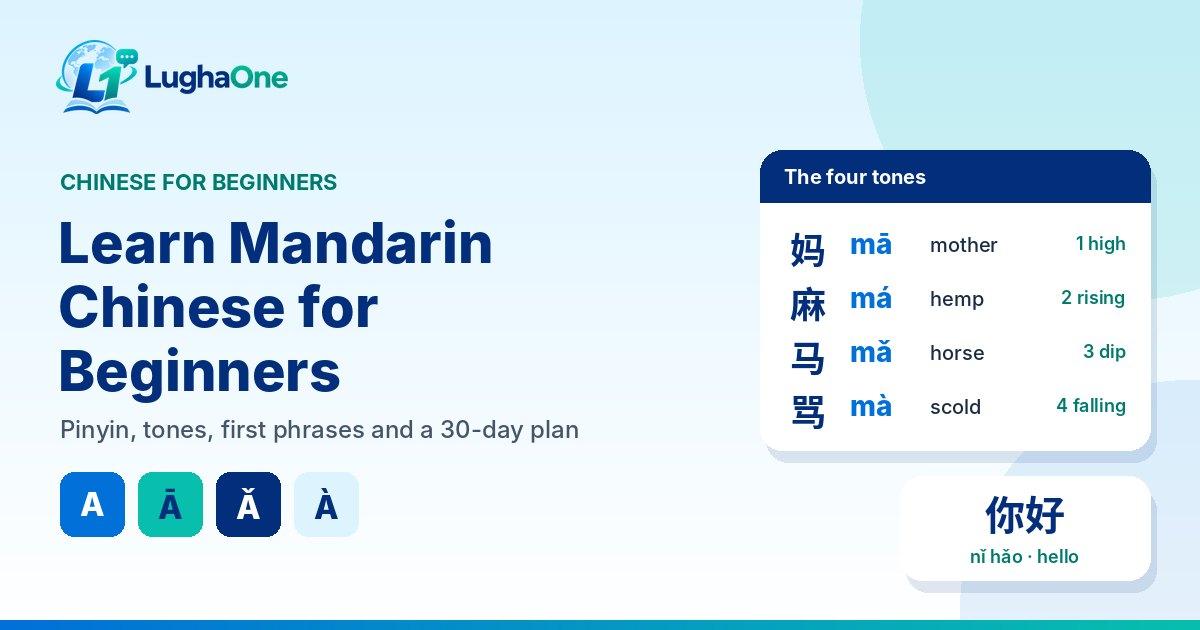
Learning Mandarin Chinese: A Realistic Starting Plan for Beginners
Mandarin looks impossible from the outside, but the first month is very manageable if you start in the right order: pinyin and tones first, then survival phrases, simple sentence patterns and your first characters.
Business English
English Meeting Phrases: Agree, Disagree and Suggest Politely
Ready-to-use English for meetings in the office or on video calls: how to open, agree, disagree without sounding rude, suggest ideas, interrupt politely and close with clear next steps.
Learn languages
Learning French as an Arabic Speaker: What Is Easy and What Is Hard
Arabic speakers start French with more advantages than they think: the French r, grammatical gender and adjectives after the noun all feel familiar. Here is what comes easily, what takes practice, and how to start.
Business English
English Phone Call Phrases: Bookings, Support and Work Calls
Phone calls are harder than face-to-face English: no gestures, no lips to read, and the other person is waiting. These ready-to-use phrases for work calls, bookings and customer support help you sound calm, clear and polite.
Study Skills
Spaced Repetition: Remember New Vocabulary for Longer
You learn twenty new words on Monday and remember five by Friday. Spaced repetition fixes that: review each word just before you would forget it, at growing intervals. Here is how it works and how to use it with paper or an app.
Family Learning
Teaching Kids Arabic at Home: A Simple Weekly Routine
A practical plan for Arab families abroad and mixed families: short daily Arabic moments, a seven-day routine, how to handle dialect and Modern Standard Arabic, and how to keep going when your child answers in English.
Learning Tips
How AI Can Help You Practise Speaking a New Language
Speaking is the skill most learners practise least. Here is what AI speaking practice can and cannot do, a simple 20-minute routine, ready-to-use role-play prompts and tips for Arabic speakers learning English.
Business English
English Small Talk at Work: Natural Phrases for the Office
Short, natural English for the moments before meetings, in the lift and at the coffee machine: how to start, what to talk about, how to keep it going and how to leave politely.
Learn Arabic
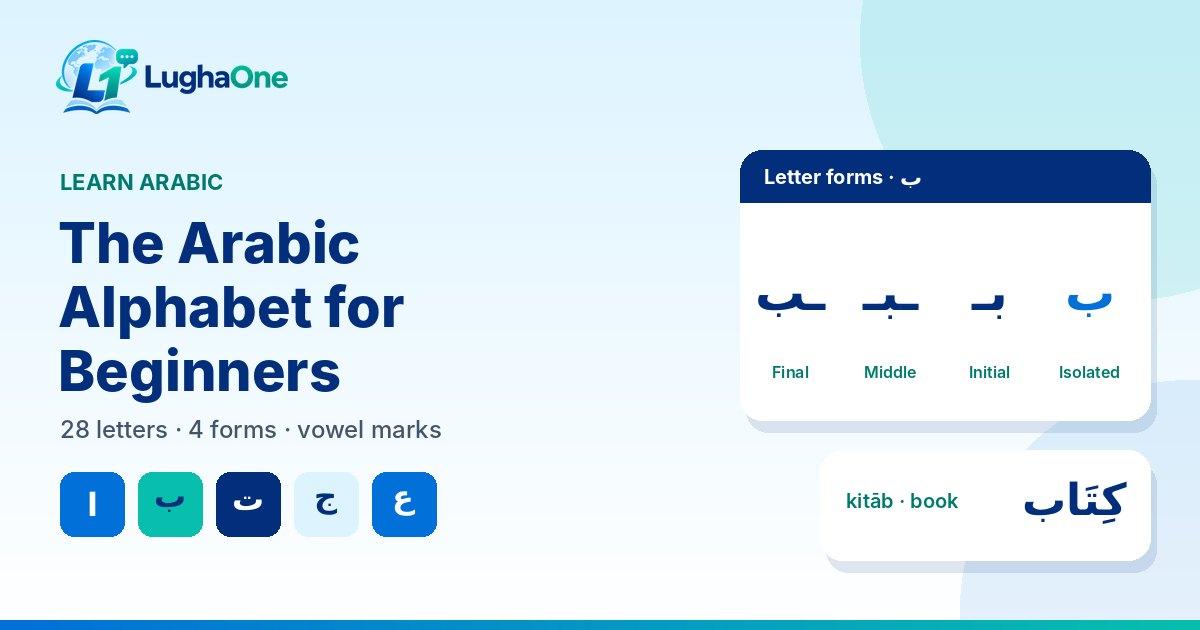
The Arabic Alphabet for Beginners: Letters, Shapes and Sounds
Learn to read Arabic step by step: how the script works, the 28 letters grouped by shape, how letters change at the start, middle and end of a word, vowel marks and a two-week practice plan.
Learning Tips
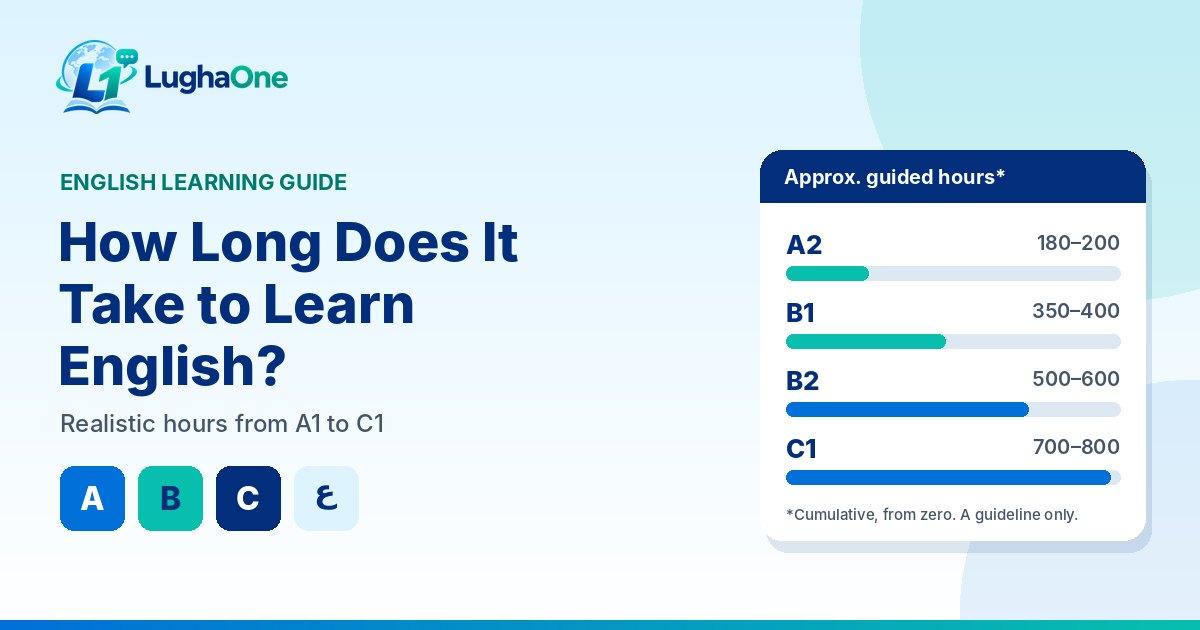
How Long Does It Take to Learn English? A Realistic Answer
A realistic answer in hours, not promises: approximate study time for each level from A1 to C2, the factors that change it, and simple weekly plans for busy learners.
Arabic Dialects
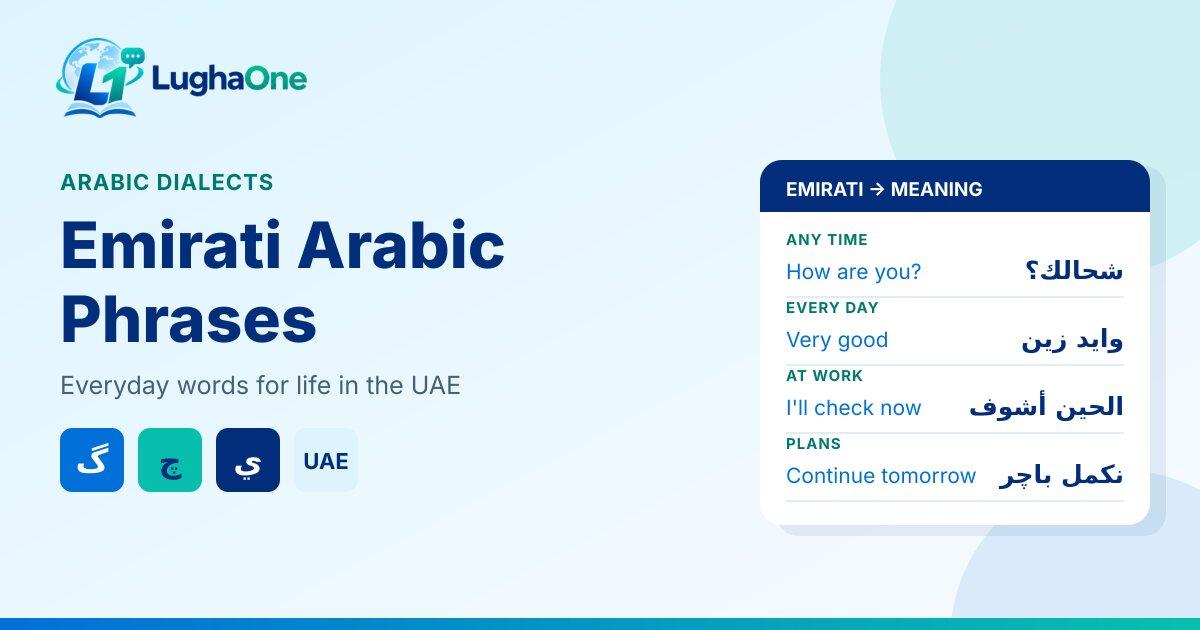
Emirati Arabic Phrases for Everyday Life in the UAE
The Emirati words and phrases you will actually hear in Dubai, Abu Dhabi and Sharjah: how the dialect sounds, everyday words, office and shop phrases, directions for taxis and Emirati hospitality.
Practical English
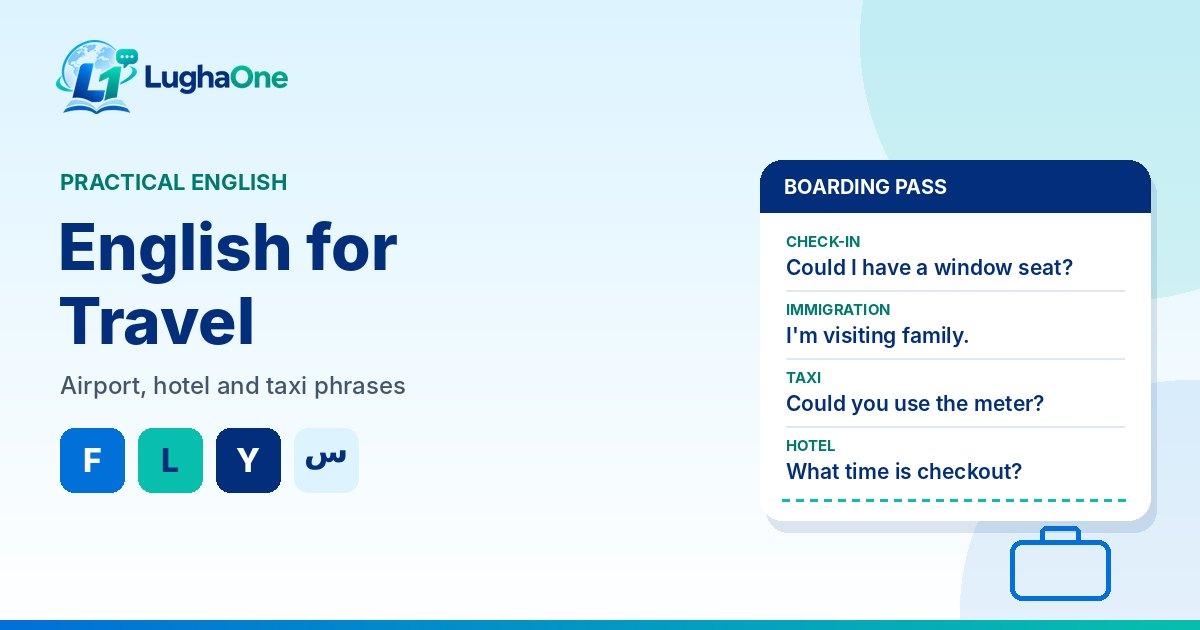
English for Travel: Airport, Hotel and Taxi Phrases You Will Actually Use
The English you need from the check-in desk to your hotel room: short, polite phrases for every step of the trip, the questions officers ask, and easy fixes for common mistakes.
Arabic Dialects
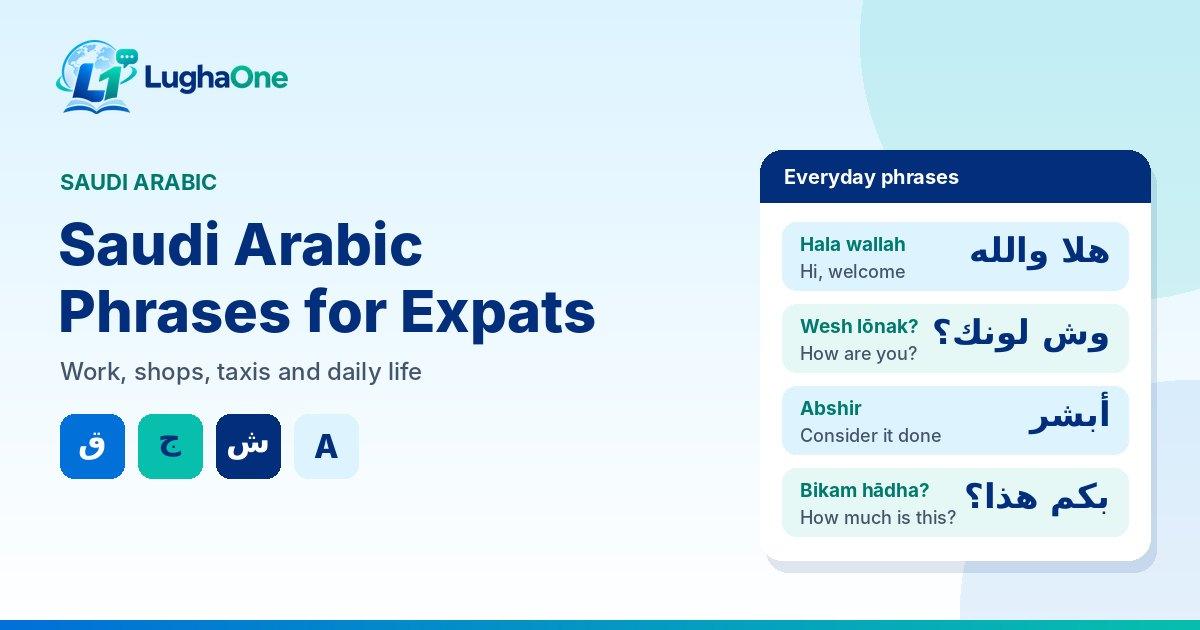
Saudi Arabic Phrases for Expats: Work, Shops and Daily Life
The everyday Saudi Arabic you will hear in Riyadh, Jeddah and beyond, from hala wallah and abshir to bikam hadha, with simple notes on Najdi and Hijazi speech.
English Grammar
12 English Grammar Mistakes Arabic Speakers Make (and How to Fix Them)
Twelve grammar mistakes that come from thinking in Arabic while speaking English, why each one happens, and a simple correction you can start using today.
Business English
Business English Email Phrases: How to Write Clear, Professional Emails at Work
Ready-to-use phrases for every part of a work email, from the greeting to the sign-off, with a sample email you can adapt and the small mistakes that make emails sound less professional.

Business English
English Job Interview Questions and Answers: A Guide for Arabic Speakers
How to answer 'Tell me about yourself', 'Why should we hire you?' and other common interview questions in clear, confident English, with sample answers you can adapt.
Pronunciation
English Pronunciation for Arabic Speakers: Fix P/B, V/F and More
Why 'parking' turns into 'barking' and 'very' into 'fery', and simple daily drills that make your English clearer in meetings, interviews and travel.
English learning
How to Learn English from Zero: A Practical Beginner's Guide
Start speaking with confidence: the first phrases to learn, a 15-minute daily routine, beginner mistakes to avoid and a simple four-week plan.
Arabic & dialects
Modern Standard Arabic vs. Arabic Dialects: Where Should You Start?
MSA or spoken Arabic? See how they differ in real examples, from 'How are you?' to the letter qaf, and choose the path that fits your goals.