
Why grammar mistakes follow a pattern
If you grew up speaking Arabic, many of your English grammar mistakes are not random. They are the same English grammar mistakes Arabic speakers make in classrooms and offices from Riyadh to Muscat, because each one comes from a rule that works perfectly in Arabic and simply does not exist, or works differently, in English.
That is good news. A mistake with a clear cause is much easier to fix than a vague feeling that your grammar is "weak". Below are twelve common errors grouped by type, each with a wrong example, a correct version and a short explanation. You do not need to fix them all at once. Pick the two or three you recognise in your own English and focus on those first.
Articles, plurals and countable nouns
Arabic and English both have a word for "the" (ال), but they use it in different places. Plurals and numbers also follow different rules.
1. Using "the" for general ideas
In Arabic you say الحياة جميلة with the definite article. In English, when you talk about something in general, you usually leave "the" out. Use "the" when you mean a specific thing that you and the listener both know.
- Wrong: "The life in Dubai is fast." Right: "Life in Dubai is fast."
- Wrong: "I like the coffee." (in general) Right: "I like coffee."
- Right, because it is specific: "The coffee in this café is excellent."
2. A singular noun after a number
Arabic uses a singular noun after numbers from 11 upwards, as in عشرون طالباً. In English, every number above one takes a plural noun.
- Wrong: "We have twenty student in the class." Right: "We have twenty students in the class."
- Wrong: "It costs fifteen riyal." Right: "It costs fifteen riyals."
3. Adding -s to uncountable nouns
Some English nouns are uncountable: they have no plural form and take a singular verb, even when the Arabic equivalent can be plural. To count them, use a phrase such as "a piece of" or "an item of".
- Wrong: "I have a lot of homeworks." Right: "I have a lot of homework."
- Wrong: "We bought new furnitures." Right: "We bought new furniture."
- Wrong: "The news are good." Right: "The news is good."
English grammar mistakes Arabic speakers make with verbs and tenses
Arabic has fewer tenses than English and shows the subject inside the verb itself. That makes English verbs the area where most Arabic speakers need extra attention.
4. Forgetting the -s with he, she and it
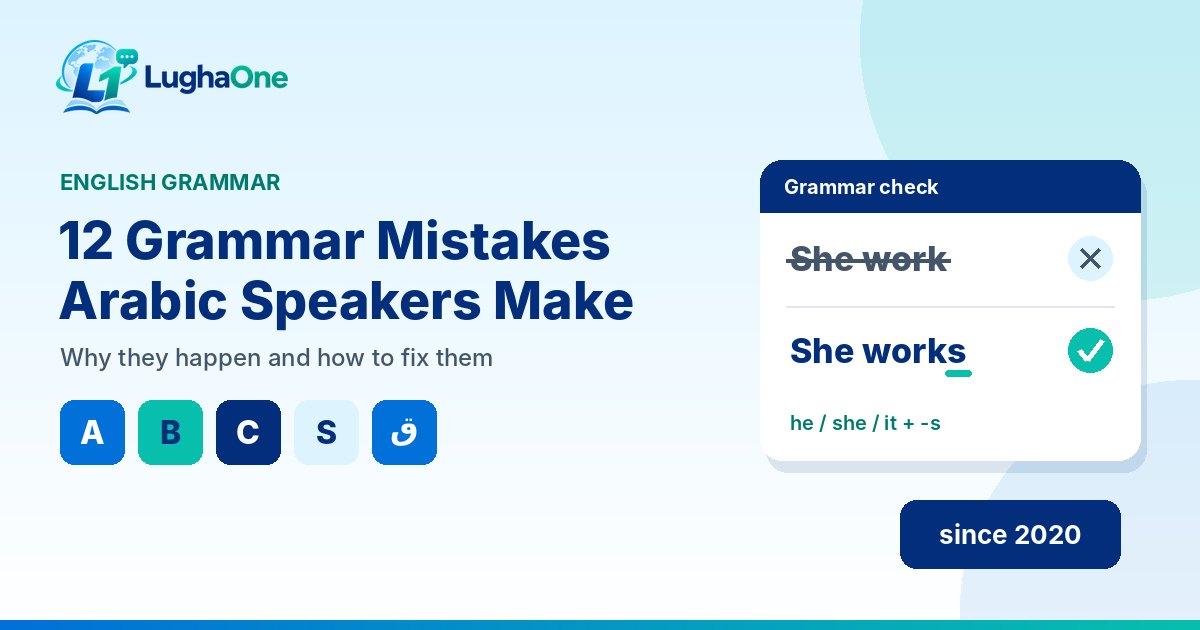
In the present simple, English adds -s (or -es) to the verb after he, she, it or a single person's name. It is a tiny letter, but listeners notice when it is missing.
- Wrong: "She work in a bank." Right: "She works in a bank."
- Wrong: "My brother live in Jeddah." Right: "My brother lives in Jeddah."
- In negatives, the -s moves to "does": "He doesn't drive", not "He don't drives".
5. Using the present tense with "since" and "for"
In Arabic, أسكن هنا منذ ٢٠٢٠ uses the present tense. English uses the present perfect for something that started in the past and is still true now.
- Wrong: "I live here since 2020." Right: "I have lived here since 2020."
- Wrong: "I work at this company for five years." Right: "I have worked at this company for five years."
- Quick rule: "since" + a point in time (2020, March, Monday); "for" + a period (five years, two weeks).
6. Putting -ing on "state" verbs
Verbs that describe states rather than actions, such as know, want, need, like, believe and understand, are usually not used in the continuous form.
- Wrong: "I am knowing the answer." Right: "I know the answer."
- Wrong: "I am wanting a bigger flat." Right: "I want a bigger flat."
- Use -ing for actions happening now: "I'm calling the bank right now."
7. Using the past tense twice
When a sentence already has "did" or "didn't", the main verb stays in its base form. The past is shown only once.
- Wrong: "Did you went to the meeting?" Right: "Did you go to the meeting?"
- Wrong: "I didn't saw the email." Right: "I didn't see the email."
Questions and sentence structure
In Arabic, a statement can become a question just by changing your tone or adding هل. English questions need a change in word order and often a helping verb.
8. Questions without "do" or "does"
With most verbs in the present and past simple, English questions need do, does or did before the subject. With "be", the verb moves before the subject instead.
- Wrong: "Where you work?" Right: "Where do you work?"
- Wrong: "Why he is late?" Right: "Why is he late?"
- Careful with indirect questions: "Can you tell me where the station is?", not "where is the station?"
9. Leaving out "it" as the subject
Arabic can start a sentence without a subject (من المهم أن...). English sentences almost always need one, so English uses "it" as an empty subject for weather, time, distance and opinions.
- Wrong: "Is very hot today." Right: "It is very hot today."
- Wrong: "Is important to arrive early." Right: "It is important to arrive early."
10. Very long sentences joined with "and"
Arabic writing often links many ideas with و, and long sentences can sound elegant. In English, especially in emails and reports, several short sentences are clearer. Split long sentences with full stops, and use linking words such as "however", "so" and "because" to show how ideas connect.
- Hard to read: "I went to the office and I met the manager and he said the report is late and we need to finish it today."
- Clearer: "I met the manager at the office. He said the report was late, so we need to finish it today."
Word choice: prepositions and say vs tell
Some mistakes are not about grammar rules at all, but about which small word English expects. Translating directly from Arabic is the usual cause.
11. Translating prepositions from Arabic
Prepositions rarely translate one to one. Learn them together with the word they follow, as a fixed phrase.
- "angry with someone", not "angry from" (زعلان من)
- "married to", not "married with"
- "on Tuesday" and "on 3 November", but "in November" and "at 9 o'clock"
- "arrive in Riyadh" (a city) and "arrive at the airport", not "arrive to"
- "get on the bus", but "get in the car"
12. Mixing up "say" and "tell"
Both words translate as قال, but they behave differently. "Tell" needs a person straight after it. "Say" does not, and if you mention the person you add "to".
- Wrong: "He said me the price." Right: "He told me the price."
- Right: "He said that the price was fair." / "He said to me that the price was fair."
- Fixed phrases with tell: tell the truth, tell a story, tell the time.
How to fix these mistakes for good
Knowing a rule is the first step. Using it without thinking takes regular, focused practice. Try this simple routine for the next two weeks:
- Choose two mistakes from this list that you make often. Write each correct pattern on a card or in your phone.
- Write five short sentences about your own life for each pattern, such as "My sister works in Abu Dhabi" or "I have studied English for three years".
- Say the sentences aloud. Grammar you have said many times comes back faster in real conversation.
- When you write an email or message in English, check it for your two target mistakes before sending.
- After two weeks, choose two new mistakes and repeat.
Practise correct English every day with LughaOne
Grammar sticks when you meet it again and again in real sentences. LughaOne's English lessons give you that steady practice, with reviewed lessons at A1 and A2 level, listening at normal or slow speed, and saved words, flashcards, quizzes and review sessions that bring key patterns back until they feel natural.
When a rule is unclear, such as when to use "since" or "for", ask the AI tutor about your lesson and get an explanation straight away. You can also practise saying your sentences aloud and get AI scores for pronunciation accuracy and fluency.
Start your 3-day free trial today, no card needed, and turn these twelve mistakes into twelve things you get right.
Keep exploring
Family Learning
Learning a Language as a Family: Ideas That Actually Work
Learning a new language together can be one of the best family projects you start this year, as long as you keep it short, playful and built into the routines you already have.
Career English
English for Customer Service Jobs: Phrases That Sound Professional
Good customer service English is not about long words. It is about a small set of polite, clear phrases you can use every day in shops, hotels, restaurants and help desks.
Chinese for beginners
Learning Mandarin Chinese: A Realistic Starting Plan for Beginners
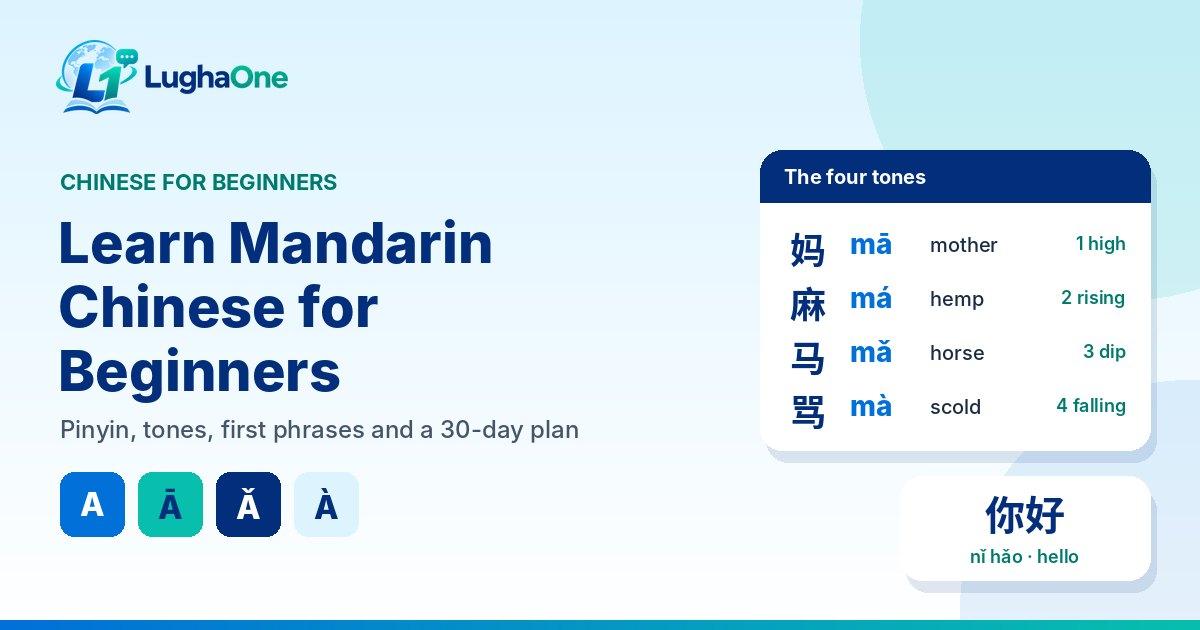
Mandarin looks impossible from the outside, but the first month is very manageable if you start in the right order: pinyin and tones first, then survival phrases, simple sentence patterns and your first characters.
Business English
English Meeting Phrases: Agree, Disagree and Suggest Politely
Ready-to-use English for meetings in the office or on video calls: how to open, agree, disagree without sounding rude, suggest ideas, interrupt politely and close with clear next steps.
Learn languages
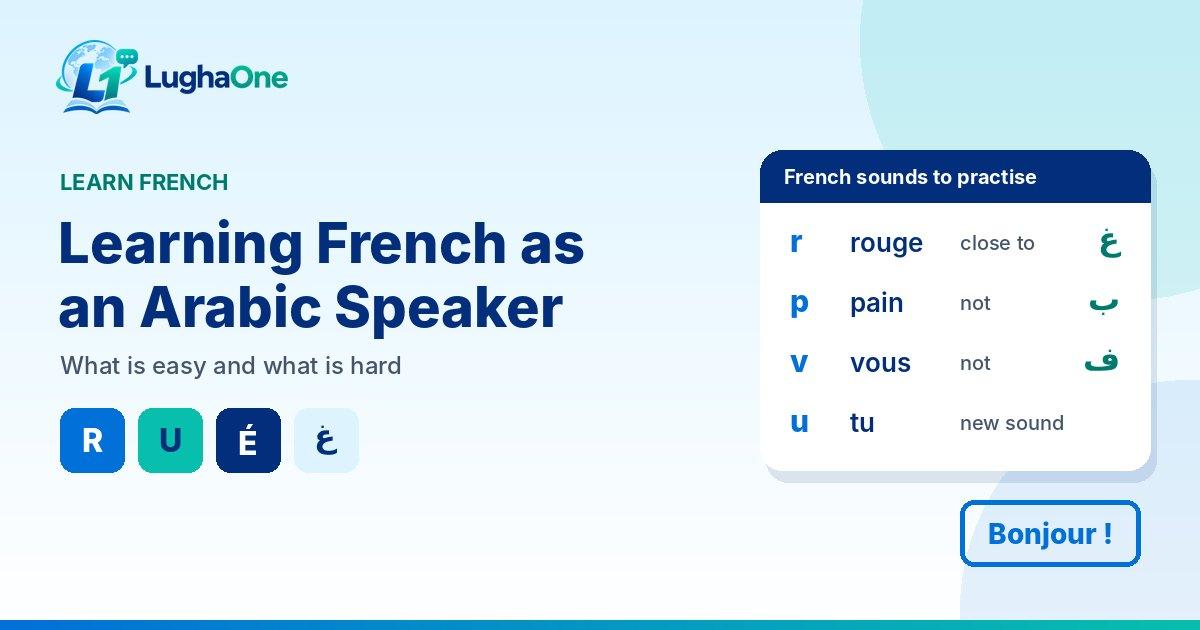
Learning French as an Arabic Speaker: What Is Easy and What Is Hard
Arabic speakers start French with more advantages than they think: the French r, grammatical gender and adjectives after the noun all feel familiar. Here is what comes easily, what takes practice, and how to start.
Business English
English Phone Call Phrases: Bookings, Support and Work Calls
Phone calls are harder than face-to-face English: no gestures, no lips to read, and the other person is waiting. These ready-to-use phrases for work calls, bookings and customer support help you sound calm, clear and polite.
Study Skills
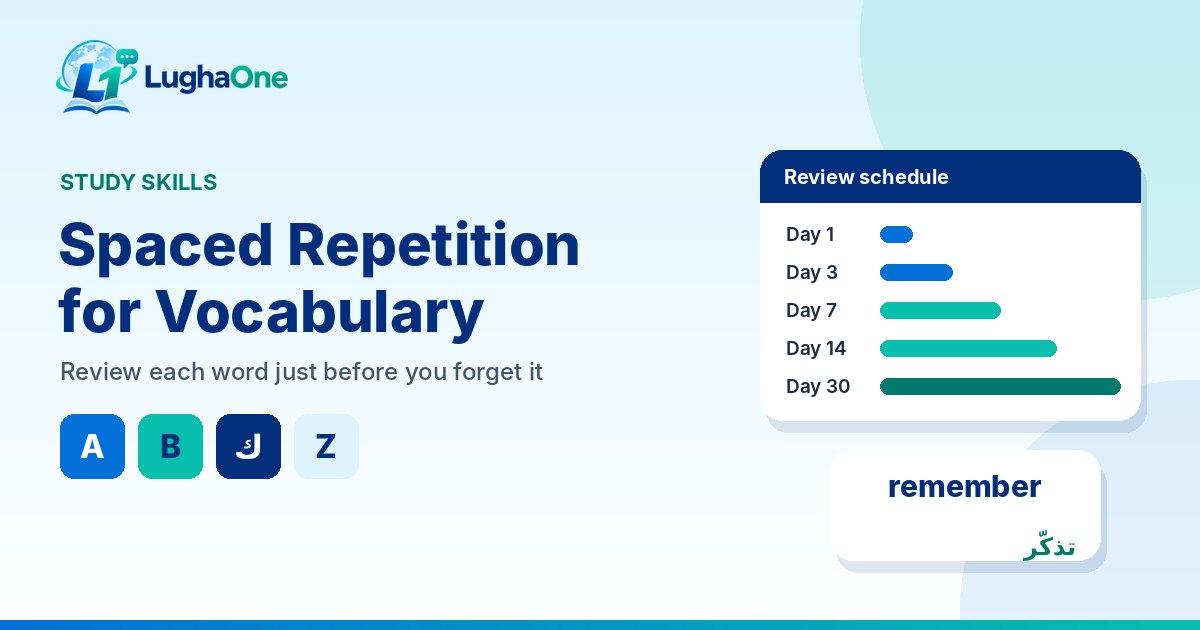
Spaced Repetition: Remember New Vocabulary for Longer
You learn twenty new words on Monday and remember five by Friday. Spaced repetition fixes that: review each word just before you would forget it, at growing intervals. Here is how it works and how to use it with paper or an app.
Family Learning
Teaching Kids Arabic at Home: A Simple Weekly Routine
A practical plan for Arab families abroad and mixed families: short daily Arabic moments, a seven-day routine, how to handle dialect and Modern Standard Arabic, and how to keep going when your child answers in English.
Learning Tips
How AI Can Help You Practise Speaking a New Language
Speaking is the skill most learners practise least. Here is what AI speaking practice can and cannot do, a simple 20-minute routine, ready-to-use role-play prompts and tips for Arabic speakers learning English.
Business English
English Small Talk at Work: Natural Phrases for the Office
Short, natural English for the moments before meetings, in the lift and at the coffee machine: how to start, what to talk about, how to keep it going and how to leave politely.
Learn Arabic
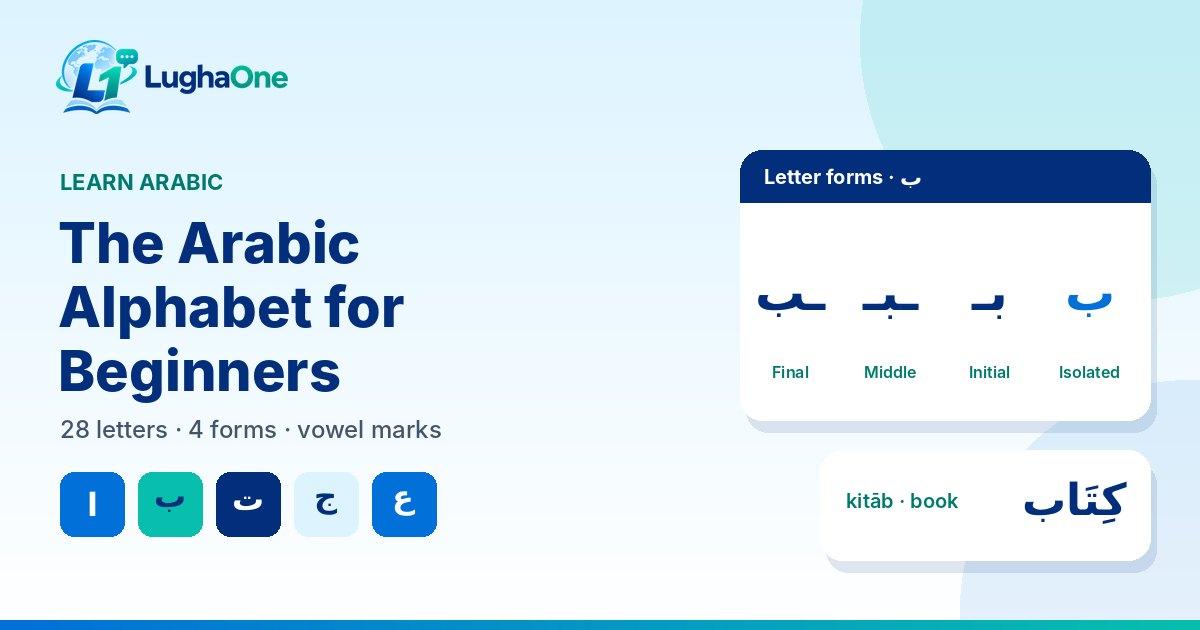
The Arabic Alphabet for Beginners: Letters, Shapes and Sounds
Learn to read Arabic step by step: how the script works, the 28 letters grouped by shape, how letters change at the start, middle and end of a word, vowel marks and a two-week practice plan.
Learning Tips
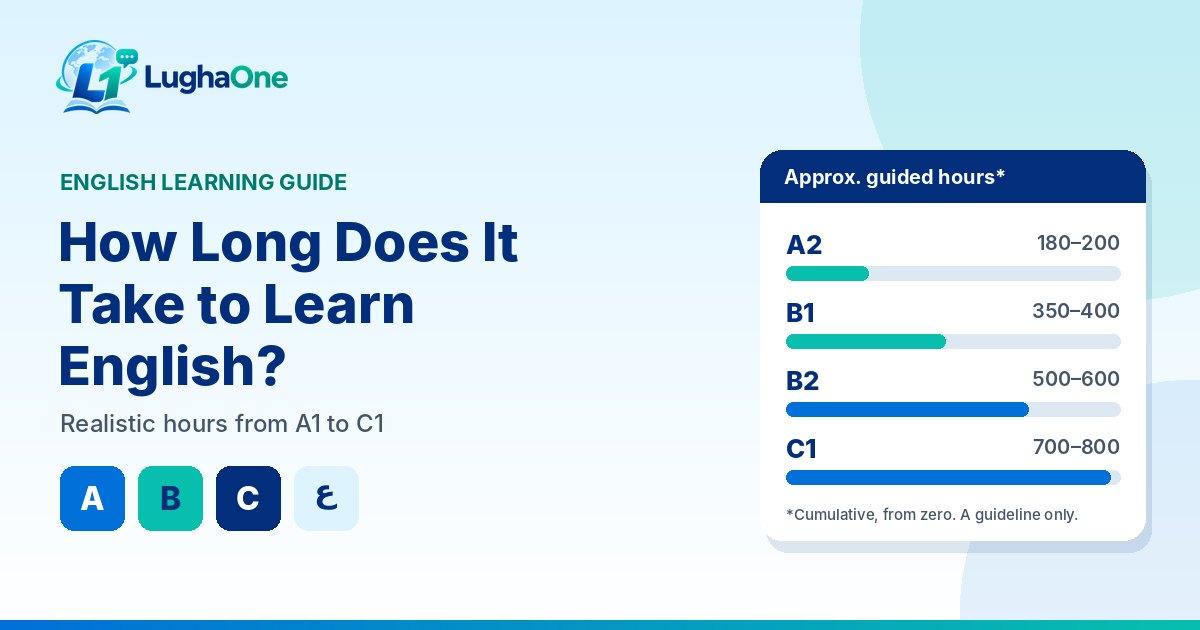
How Long Does It Take to Learn English? A Realistic Answer
A realistic answer in hours, not promises: approximate study time for each level from A1 to C2, the factors that change it, and simple weekly plans for busy learners.
Arabic Dialects
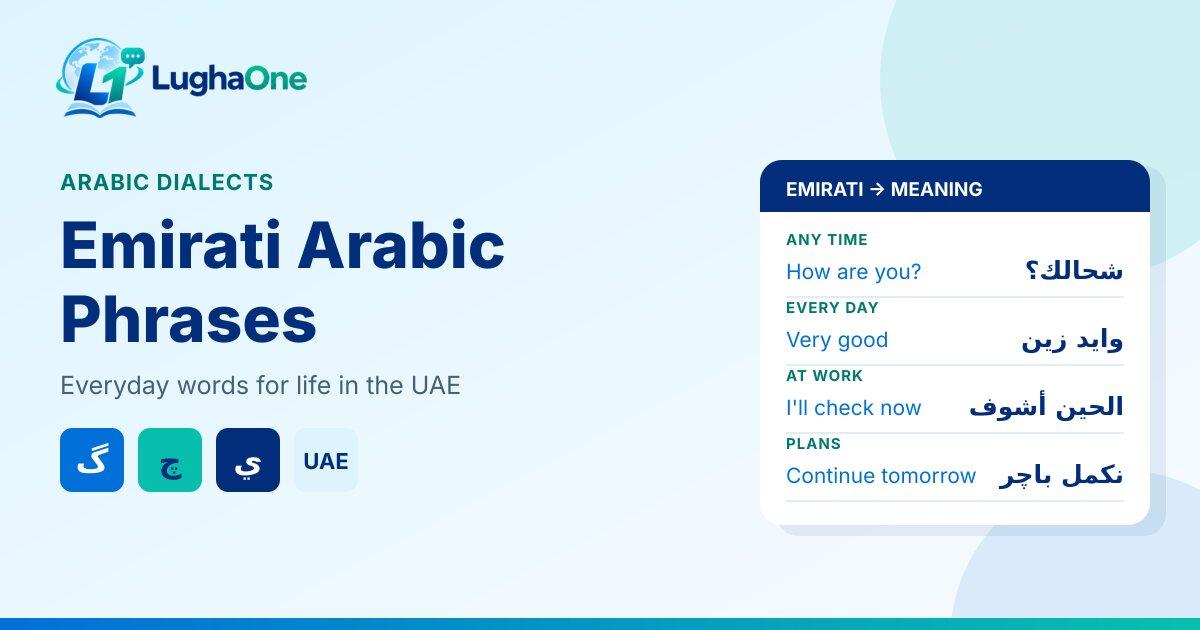
Emirati Arabic Phrases for Everyday Life in the UAE
The Emirati words and phrases you will actually hear in Dubai, Abu Dhabi and Sharjah: how the dialect sounds, everyday words, office and shop phrases, directions for taxis and Emirati hospitality.
Arabic for Beginners
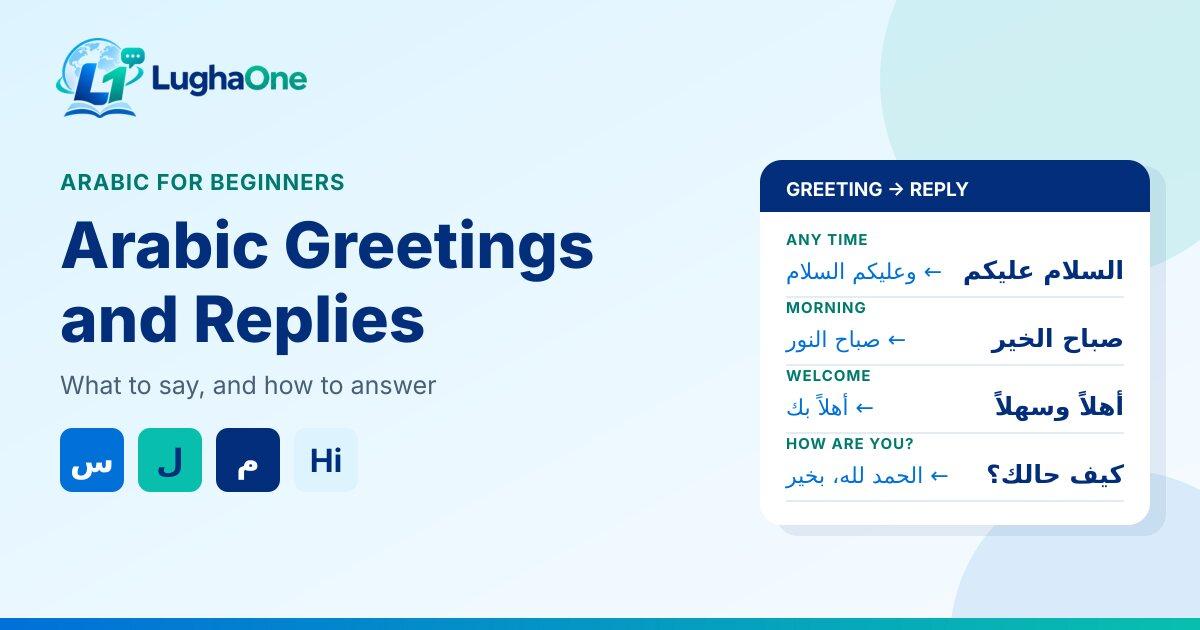
Arabic Greetings and Responses: What to Say and How to Reply
In Arabic, almost every greeting has a set reply. Learn the pairs for every time of day, how to ask how are you across the region, what to say on Ramadan and Eid, and the etiquette that goes with them.
Practical English
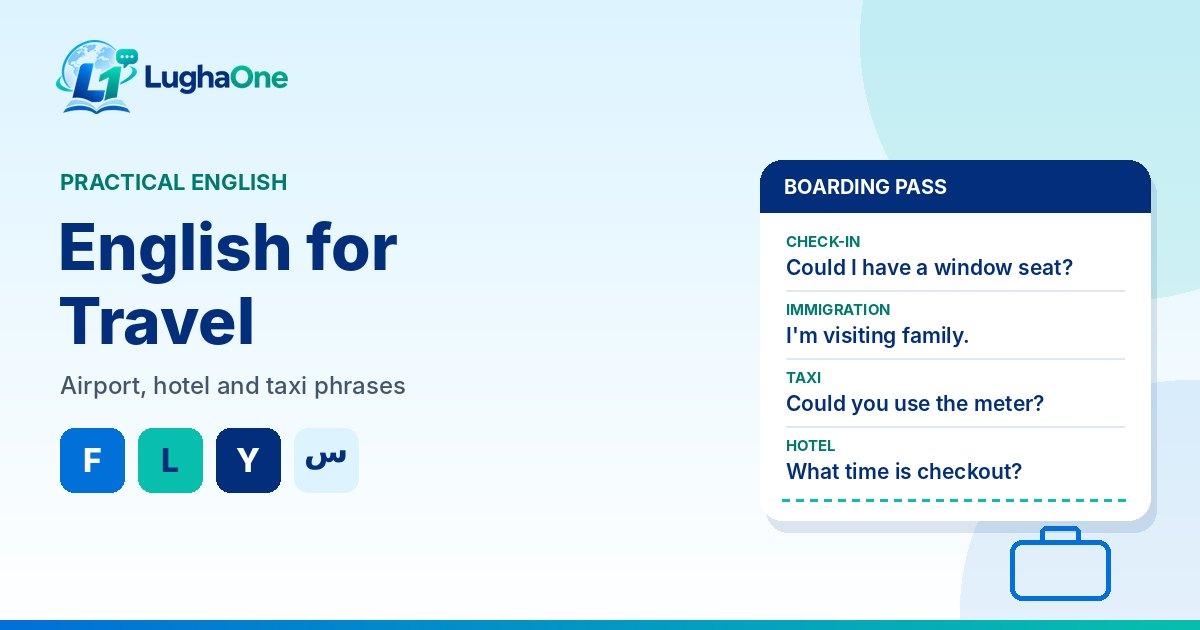
English for Travel: Airport, Hotel and Taxi Phrases You Will Actually Use
The English you need from the check-in desk to your hotel room: short, polite phrases for every step of the trip, the questions officers ask, and easy fixes for common mistakes.
Arabic Dialects
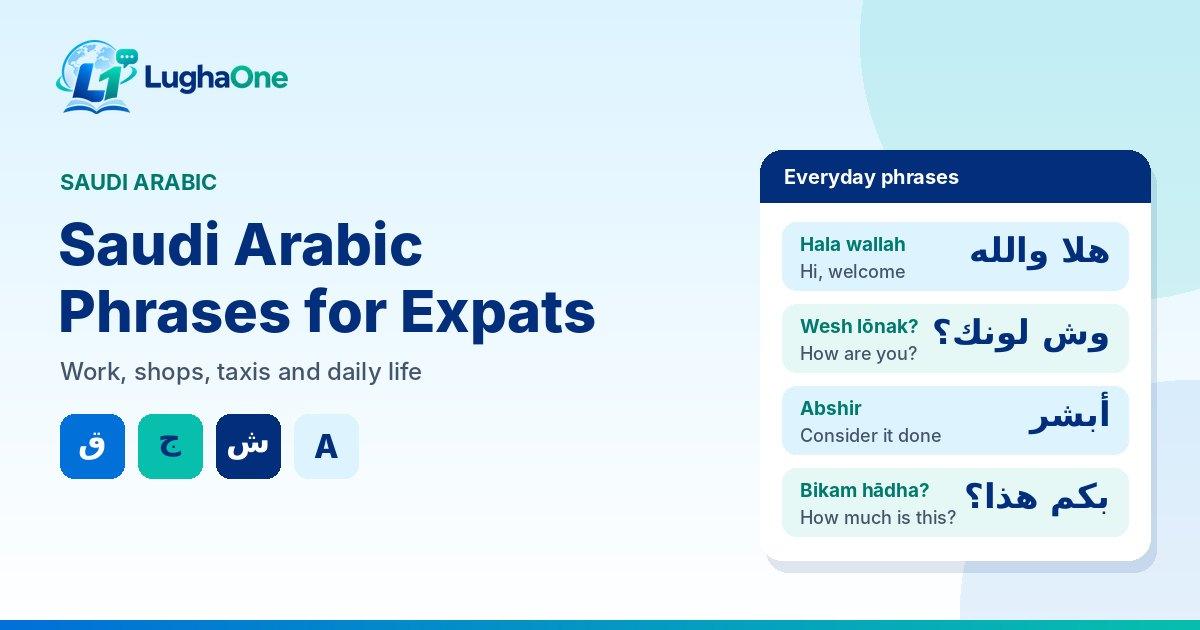
Saudi Arabic Phrases for Expats: Work, Shops and Daily Life
The everyday Saudi Arabic you will hear in Riyadh, Jeddah and beyond, from hala wallah and abshir to bikam hadha, with simple notes on Najdi and Hijazi speech.
Business English
Business English Email Phrases: How to Write Clear, Professional Emails at Work
Ready-to-use phrases for every part of a work email, from the greeting to the sign-off, with a sample email you can adapt and the small mistakes that make emails sound less professional.
Business English
English Job Interview Questions and Answers: A Guide for Arabic Speakers
How to answer 'Tell me about yourself', 'Why should we hire you?' and other common interview questions in clear, confident English, with sample answers you can adapt.
Pronunciation
English Pronunciation for Arabic Speakers: Fix P/B, V/F and More
Why 'parking' turns into 'barking' and 'very' into 'fery', and simple daily drills that make your English clearer in meetings, interviews and travel.
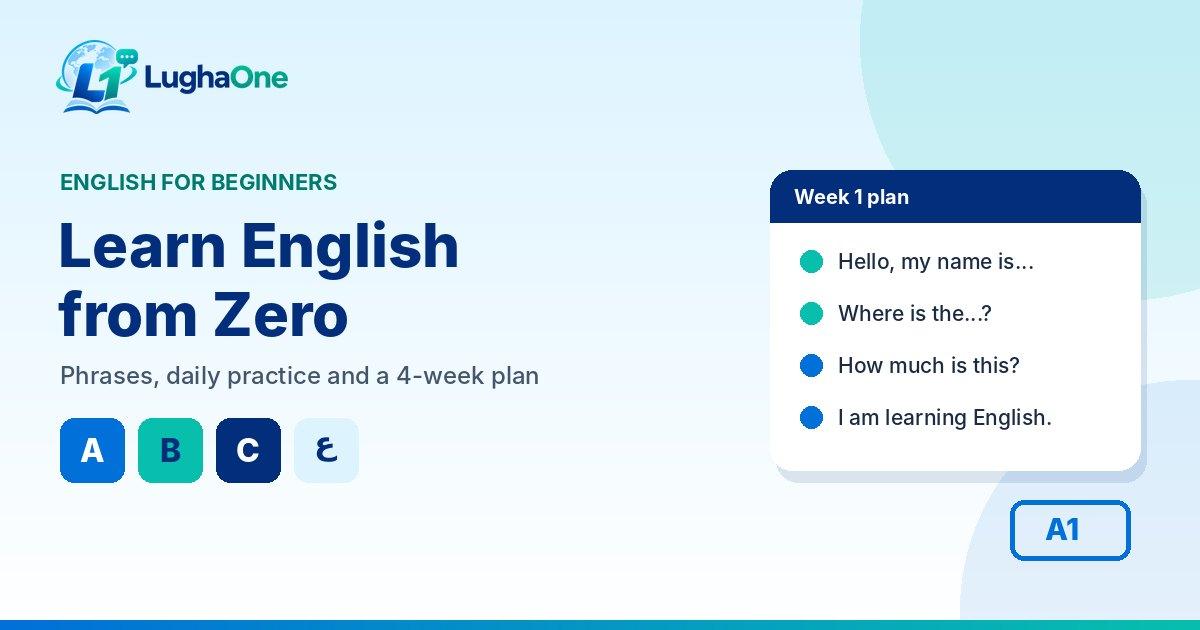
English learning
How to Learn English from Zero: A Practical Beginner's Guide
Start speaking with confidence: the first phrases to learn, a 15-minute daily routine, beginner mistakes to avoid and a simple four-week plan.
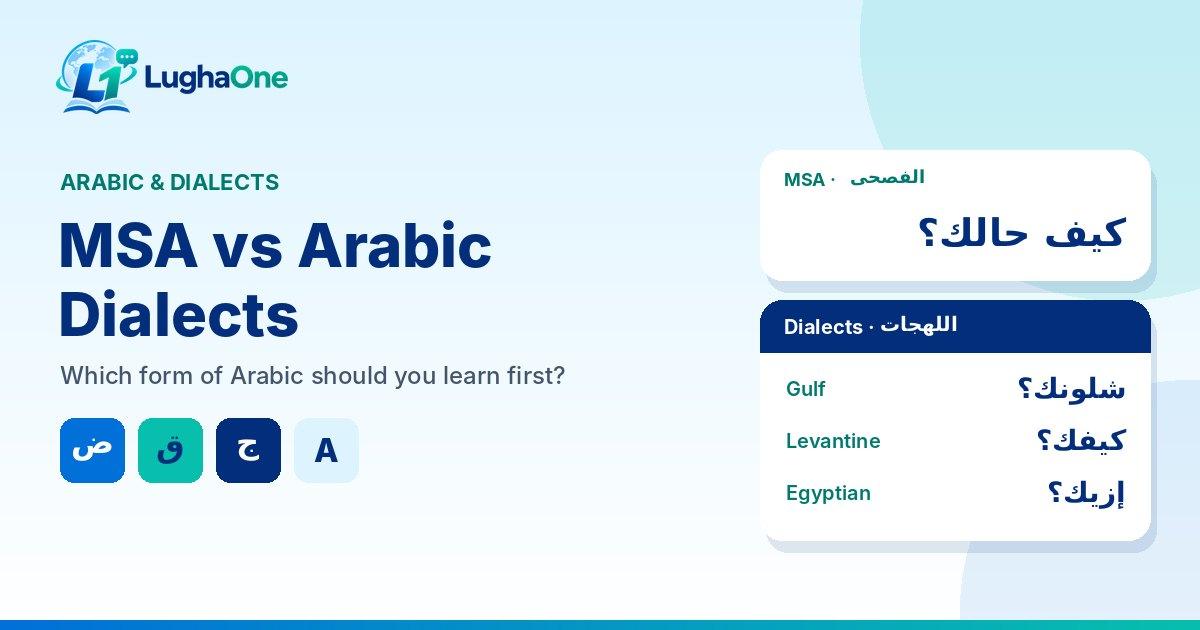
Arabic & dialects
Modern Standard Arabic vs. Arabic Dialects: Where Should You Start?
MSA or spoken Arabic? See how they differ in real examples, from 'How are you?' to the letter qaf, and choose the path that fits your goals.